
TL;DR

Get business pricing on office and shipping supplies
- Business-only prices and quantity discounts
- Tax-exempt purchasing
- Multiple users, one account, clear invoices
A new AI-powered web application is launching to assist non-lawyer litigants and small businesses in drafting court filings. It verifies citations, formats documents for court procedures, and aims to improve legal accuracy for pro se parties. This development responds to rising self-representation in U.S. civil cases and the need for reliable legal drafting tools.
A new web application designed to assist non-lawyer litigants and small business owners is set to launch, offering AI-driven legal drafting support that verifies citations and formats documents for court filing. This tool targets individuals handling debt collection, eviction notices, or small claims without legal representation, addressing a critical gap in access to accurate legal documents. The development responds to the rising trend of self-representation in U.S. civil courts, where approximately 60% of cases involve parties without attorneys, and the proliferation of AI tools has introduced new risks of citation errors and procedural mistakes.
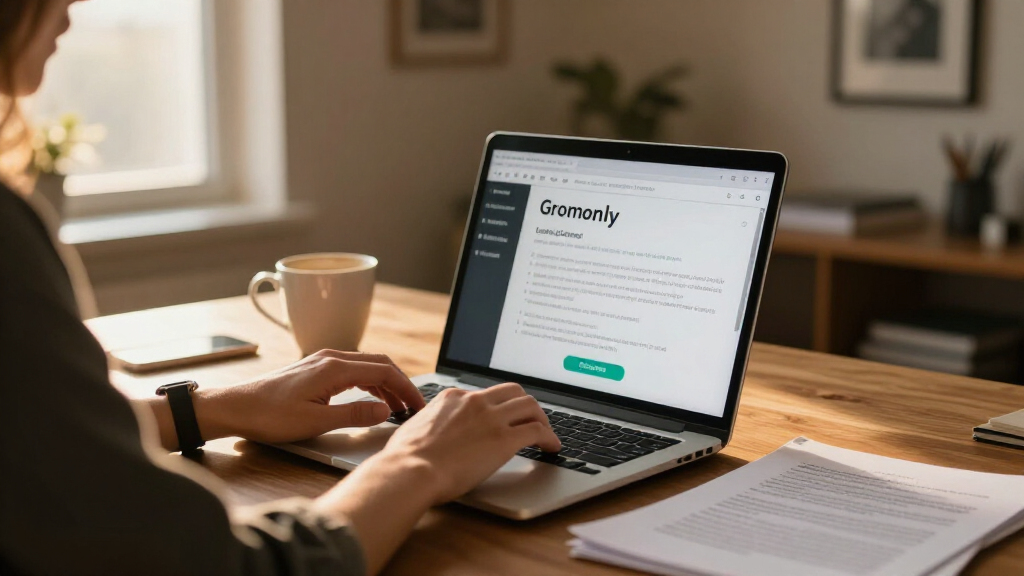
The application, currently in prototype stage, allows users to input case-specific details—such as parties involved, amounts claimed, and jurisdiction—and generates a formal demand letter or small-claims filing. It then performs a ‘lawsuit Grammarly’ check, flagging weak or missing legal elements and verifying every cited statute or case against a comprehensive legal database. This process aims to eliminate hallucinated citations common in generic language models, which have caused thousands of errors and sanctions in court.
According to sources familiar with the project, the tool is designed to be accessible via a freemium SaaS model, offering a free initial draft with paid options for multiple documents or ongoing cases. The targeted users include small landlords, freelancers, and other small business owners who often handle legal disputes without legal counsel due to cost barriers. The developers plan to test the MVP with a focus on demand letters for unpaid invoices and small-claims statements, measuring user willingness to pay and the platform’s accuracy before scaling up automation and expanding features.
Legal Access for Self-Represented Parties
This tool could significantly improve legal access for individuals and small businesses who currently rely on costly attorneys or risk submitting flawed documents that lead to case dismissals or sanctions. By providing verified, court-ready drafts, the application aims to reduce procedural errors and increase the likelihood of successful outcomes in civil disputes. Its emphasis on citation verification addresses a known issue where AI-generated legal texts often hallucinate case law or statutes, creating potential sanctions and delays. If successful, it could set a new standard for AI-assisted legal drafting tailored specifically for pro se litigants, reducing barriers to justice.
legal drafting software for self-represented litigants
As an affiliate, we earn on qualifying purchases.
As an affiliate, we earn on qualifying purchases.
Rise in Self-Representation and AI Risks
Over the past decade, the proportion of self-represented litigants in U.S. civil courts has increased, with roughly 60% of cases involving parties without legal counsel. This trend is driven by rising legal costs and limited access to affordable legal services. Meanwhile, the advent of large language models has introduced new challenges: generic AI tools often hallucinate citations or misapply legal procedures, leading to sanctions and case dismissals. Data from late 2025 indicate hundreds of AI-citation-error incidents, with pro se litigants accounting for about 39% more hallucination cases than attorneys, underscoring the urgent need for specialized, verification-first drafting tools.
Existing solutions include basic templates or chatbots, but these lack the capacity for legal verification or proper formatting. The new application aims to fill this gap by combining structured intake with AI-powered verification, ensuring that documents meet court standards and cite real, applicable law.
“This tool could transform how self-represented litigants draft and verify their filings, reducing errors that often lead to case dismissals or sanctions.”
— an anonymous researcher
As an affiliate, we earn on qualifying purchases.
Unconfirmed Aspects of the Tool’s Deployment
It is not yet clear how effectively the verification system will eliminate hallucinated citations in real-world use, or how courts will receive AI-generated filings. Additionally, the scope of legal databases integrated and the potential for regulatory hurdles remain uncertain. The initial MVP is focused on demand letters and small-claims filings, but broader application across different case types has yet to be confirmed.
citation verification legal software
As an affiliate, we earn on qualifying purchases.
As an affiliate, we earn on qualifying purchases.
Next Steps for Testing and Scaling the Platform
The developers plan to conduct pilot testing with small business owners and self-represented litigants, collecting feedback on accuracy and usability. They will measure user willingness to pay through landing page campaigns and pre-order offers, aiming to fulfill initial orders manually to validate demand. Pending positive results, the team intends to automate document generation, expand legal database integration, and explore partnerships with legal aid organizations to scale the platform.
small claims court document templates
As an affiliate, we earn on qualifying purchases.
As an affiliate, we earn on qualifying purchases.
Key Questions
How does the tool verify citations?
The tool cross-references cited statutes and cases against a comprehensive legal database, flagging any discrepancies or hallucinations to ensure accuracy before document submission.
Will this replace lawyers for small claims?
No, the tool is designed to assist self-represented litigants and small businesses with drafting and verification, not to replace legal counsel entirely. It aims to improve accuracy and reduce procedural errors.
Is this tool legally admissible in court?
While the tool aims to generate court-formatted, e-sign-ready documents, acceptance by courts will depend on jurisdiction-specific rules. Its primary goal is to produce documents that meet procedural standards and reduce errors.
What types of cases is the tool designed for?
Initially, it focuses on demand letters for unpaid invoices, eviction notices, and small-claims filings, with potential expansion to other civil dispute types as the platform develops.
How much will it cost to use?
The platform will offer a free initial draft, with paid options costing approximately $15-40 per document and a monthly subscription of $29-49 for multiple cases or ongoing use.
Source: IdeaNavigator AI
Halloween Picks
halloween
As an affiliate, we earn on qualifying purchases.