
To boost your website’s credibility, focus on clear trust signals like genuine customer reviews and social proof that showcase positive feedback. Make certain your site has a secure checkout with visible security badges and SSL certificates to protect user data. A professional design with transparent contact details and clear policies builds confidence. Fast, mobile-friendly performance also improves trust, while consistent branding and transparency reinforce professionalism. Keep these elements in mind, and you’ll discover more ways to establish unwavering visitor trust.
Key Takeaways
- Genuine customer reviews and social proof build credibility and influence purchase decisions.
- Visible security badges, SSL certificates, and secure checkout processes reassure customers and reduce cart abandonment.
- Professional website design, transparent contact info, and clear policies enhance trust and transparency.
- Fast load times, mobile responsiveness, and reliable performance foster user confidence and engagement.
- Consistent branding and clear policies communicate professionalism and reduce uncertainty, boosting credibility.
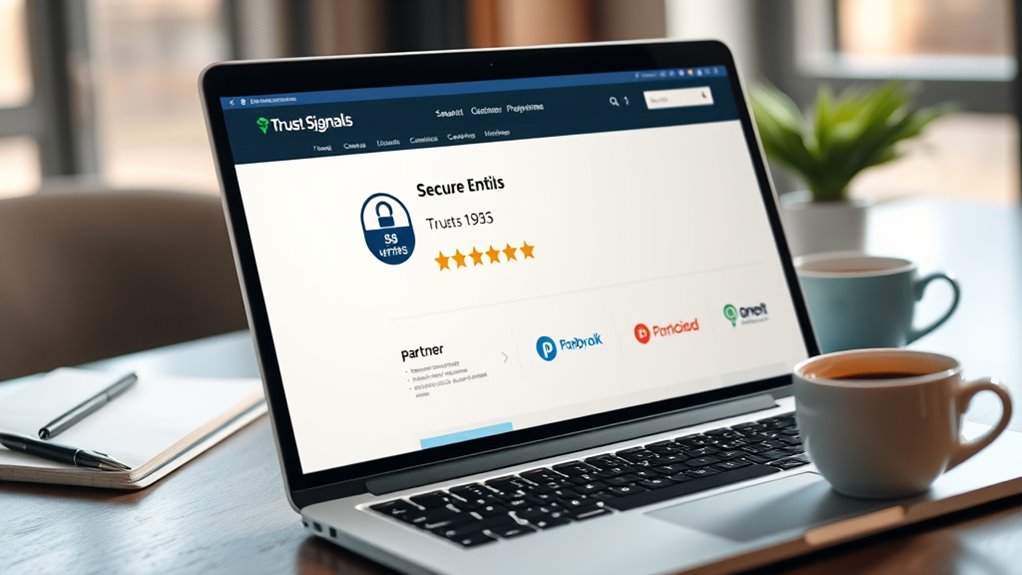
Building trust with your website visitors is essential for turning visitors into customers. When people land on your site, they want to feel confident that their information is safe and that your products or services are reliable. One effective way to establish this trust is by showcasing customer reviews. Genuine feedback from other buyers offers social proof, helping potential customers feel reassured about their decision to shop with you. Positive reviews highlight your credibility and demonstrate that you deliver on your promises. When visitors see that others have had satisfying experiences, they’re more likely to trust your brand and proceed with a purchase.
Showcasing authentic customer reviews builds trust and encourages visitors to confidently choose your brand.
Another vital trust signal is a secure checkout process. If your checkout page isn’t secure, visitors may hesitate or abandon their carts altogether. Incorporate clear security badges, SSL certificates, and HTTPS protocols to show that their personal and payment information is protected. A secure checkout reassures customers that they won’t fall victim to fraud or data theft, which is a primary concern for online shoppers. Making this information visible, such as displaying trust seals or security icons, encourages visitors to complete their transactions without second-guessing their safety.
Beyond customer reviews and secure checkout, other trust signals contribute to a credible website. For example, professional design and easy navigation demonstrate that you’re serious about your business. When your site looks polished and functions smoothly, visitors perceive it as more trustworthy. Transparent contact information, including phone numbers, email addresses, and physical locations, also builds confidence. It shows you’re accessible and willing to engage, which reassures users that you’re a legitimate company.
Fast page load times and mobile responsiveness are additional trust factors. If your site loads slowly or doesn’t display correctly on smartphones, visitors might question your professionalism and reliability. Ensuring your website performs well across devices shows that you prioritize user experience, which can greatly influence trust.
Finally, consistent branding and clear policies, such as return and privacy policies, further establish credibility. When visitors know exactly what to expect and see your commitments clearly stated, they feel more comfortable making a purchase. All these elements, from customer reviews to secure checkout and beyond, work together to create a trustworthy environment. By paying attention to these signals, you foster confidence in your visitors, making it easier for them to convert into loyal customers. Additionally, understanding narcissistic behaviors can help you recognize and address manipulative tactics that may undermine trust in personal or professional relationships.

Secure Your WordPress Website with HTTPS for free: A Visual Step-by-Step Guide to Securing Your Website with SSL (Webmaster Series)
As an affiliate, we earn on qualifying purchases.
As an affiliate, we earn on qualifying purchases.
Frequently Asked Questions
How Do Trust Signals Influence Consumer Purchasing Decisions?
Trust signals directly influence your purchasing decisions by shaping customer perception and fostering brand loyalty. When you see clear trust signals like reviews, security badges, or professional design, you’re more likely to feel confident in the brand. These signals reassure you that your data is safe and the product is reliable, making you more inclined to complete the purchase. Strong trust signals turn first-time visitors into loyal customers over time.
Are Certain Trust Signals More Effective Across Different Industries?
Yes, certain trust signals are more effective across different industries because industry-specific trust factors and regional trust preferences vary. You should tailor trust signals like reviews, security badges, and testimonials to match your industry’s standards and regional expectations. For example, financial services benefit from clear security indicators, while local businesses gain from community reviews. Adapting your trust signals boosts credibility and makes your site more persuasive to your target audience.
Can Trust Signals Be Manipulated or Faked Effectively?
You might think trust signals are like shiny badges, but clever scammers can use fake indicators and manipulation tactics to fool visitors. They craft convincing logos, fake reviews, and counterfeit security seals to mimic genuine signals. While some can be effective temporarily, savvy users and security measures can catch these tricks. Always stay alert, because even the most polished fake indicators can crumble under scrutiny, revealing the truth behind the facade.
How Often Should Website Trust Signals Be Updated for Maximum Impact?
You should update your trust signals regularly, ideally every few months, to maintain trust signal freshness and maximize impact. Keep an eye on industry standards, customer reviews, and security badges, updating them promptly when changes occur. Consistent update frequency shows visitors you’re current and reliable, reinforcing your credibility. Don’t let your trust signals become outdated, as stale signals can reduce trust and credibility over time.
What Are Emerging Trust Signals in the Evolving Digital Landscape?
Imagine a lighthouse guiding ships through fog—emerging trust signals do the same online. You should incorporate AI Verification and Voice Recognition as symbols of cutting-edge security and authenticity. These signals, like a lighthouse’s beam, reassure visitors of your credibility amidst evolving digital currents. Stay ahead by integrating these innovative features, showing your audience you prioritize their safety and trust, just as a lighthouse prioritizes ships’ safe passage.

RYNO GEAR Security Badge, Enameled & Plated, Pin Catch Design, 2-1/4 x 3-1/8", Nickel-Brass Shield Badge (Brass)
SECURITY BADGE: Each toy badge for Professional is designed with high quality material with well polished, no rough…
As an affiliate, we earn on qualifying purchases.
As an affiliate, we earn on qualifying purchases.
Conclusion
In today’s digital world, trust can make or break your website’s success. Including key trust signals, like customer reviews or security badges, boosts credibility instantly. Did you know that 81% of consumers say they need to trust a website before making a purchase? By showcasing these signals clearly, you’ll make visitors feel confident and more likely to convert. Remember, building trust isn’t a one-time effort — it’s ongoing and essential for growth.
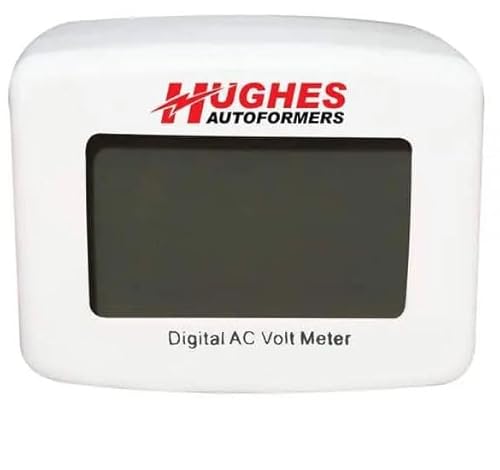
AC Line Voltage Monitor Plug-In 90-132V Display – DVMDUAL
Part Type: Line Voltage Monitor & Part Number: DVMDUAL
As an affiliate, we earn on qualifying purchases.
As an affiliate, we earn on qualifying purchases.

UX / UI Wireframe Design Sketchbook: Mobile, Tablet and Desktop templates for responsive designs with project planning
As an affiliate, we earn on qualifying purchases.
As an affiliate, we earn on qualifying purchases.