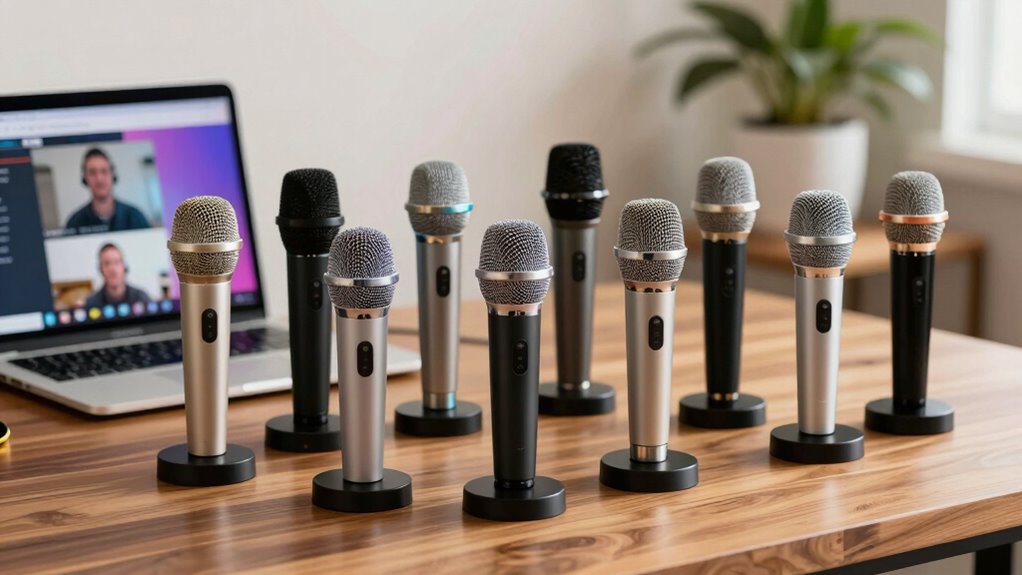
Choosing a premium microphone for webinars means balancing exceptional audio quality with ease of use and versatility. The Logitech Blue Yeti Nano stands out as the best overall pick due to its excellent sound and plug-and-play setup, ideal for most users. For those seeking broadcast-level quality, the Shure SM7B offers professional-grade sound but requires additional equipment. Meanwhile, the RØDE PodMic USB provides a dynamic broadcast experience with flexible connectivity. These options highlight the key tradeoff: higher quality often means increased complexity or cost. Continue reading for a detailed breakdown of each product and guidance on making your choice.

Get business pricing on office and shipping supplies
- Business-only prices and quantity discounts
- Tax-exempt purchasing
- Multiple users, one account, clear invoices
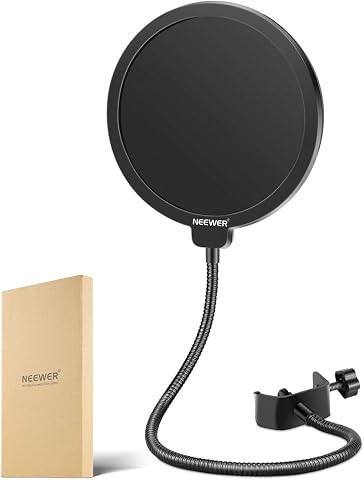
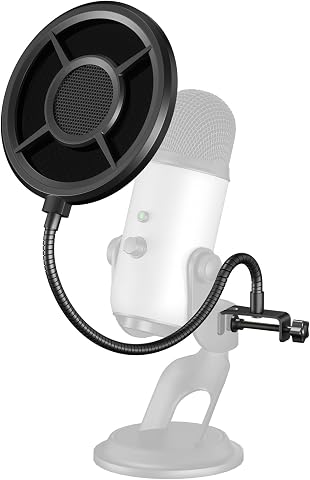
Complete the kit

Key Takeaways
- The best microphones balance sound quality, ease of setup, and compatibility with your existing equipment.
- Dynamic microphones like the Shure SM7B excel in reducing background noise but often need additional hardware like an audio interface.
- USB microphones are more user-friendly and ideal for most webinar setups, while XLR models offer higher audio fidelity for advanced users.
- Features such as noise cancellation, gain control, and mute buttons significantly improve the recording experience.
- Price often correlates with features and audio quality, but the right choice depends on your specific needs and technical comfort level.
| Logitech for Creators Blue Yeti Nano USB Microphone for Gaming, Streaming, Podcasting, Twitch, YouTube, Discord, Recording for PC and Mac, Plug & Play -Blackout |  | Best Overall for Versatile Streaming and Recording | Connectivity Technology: USB | Microphone Type: Condenser | Pickup Pattern: Cardioid, Omni | VIEW ON AMAZON | See Our Full Breakdown |
| Shure MV6 USB Gaming Microphone for Streaming & Recording |  | Best for Focused Vocal Clarity and Simplicity | Connectivity: USB-C | Microphone Type: Dynamic | Frequency Response: 75Hz – 16kHz | VIEW ON AMAZON | See Our Full Breakdown |
| RODE PodMic USB Dynamic Broadcast Microphone, XLR + USB-C |  | Best for Studio-Quality Broadcast Sound with Versatile Connectivity | Connectivity: XLR, USB-C | Microphone Type: Dynamic | Included Accessories: Pop filter, swing mount, USB-C cable | VIEW ON AMAZON | See Our Full Breakdown |
| Shure MV7+ USB-C & XLR Podcast Dynamic Microphone with Stand – Black |  | Best for Professional-Grade Streaming and Podcasting | Connectivity: USB-C, XLR | Microphone Type: Dynamic | Features: DSP Noise Reduction, Voice Isolation, Auto Level | VIEW ON AMAZON | See Our Full Breakdown |
| FIFINE AmpliGame AM8 USB/XLR Dynamic Microphone for Gaming and Streaming |  | Best for Budget-Conscious Gamers and Streamers | Microphone Type: Dynamic | Polar Pattern: Cardioid | Connectivity: USB, XLR | VIEW ON AMAZON | See Our Full Breakdown |
| Shure MV7+ USB-C & XLR Podcast Dynamic Microphone – Black |  | Best for Control and Customization | Connectivity Technology: USB, XLR | Special Feature: LED Touch Panel, Auto Level, Reverb | Compatible Devices: Personal Computer, Windows 10, macOS 12 | VIEW ON AMAZON | See Our Full Breakdown |
| Shure SM7B Dynamic Vocal Microphone for Podcasting & Streaming |  | Best for Broadcast-Quality Sound | Polar Pattern: Cardioid | Frequency Response: 50 Hz – 20 kHz | Impedance: 150 ohm | VIEW ON AMAZON | See Our Full Breakdown |
| Logitech Blue Yeti USB Microphone for PC, Mac, Gaming, Recording, Streaming, Podcasting, Studio, and Computer – Blackout |  | Best for Versatility and Ease of Use | Pickup Patterns: Cardioid, Omni, Bidirectional, Stereo | Connectivity: USB | Software: Blue VO!CE effects | VIEW ON AMAZON | See Our Full Breakdown |
| ZealSound K66 USB Podcast Microphone with Noise Cancellation, Gain/Volume Control, Mute Button, and Zero-Latency Monitoring |  | Best for Plug-and-Play and Noise Reduction | Model: K66 | Connectivity: USB (with adapters) | Frequency Response: 40Hz–18kHz | VIEW ON AMAZON | See Our Full Breakdown |
| premium microphones for webinar | Connectivity | Microphone Type | Frequency Response |
|---|---|---|---|
| Logitech for Creators Blue Yet | — | Condenser | 20Hz – 20kHz |
| Shure MV6 USB Gaming Microphon | USB-C | Dynamic | 75Hz – 16kHz |
| RODE PodMic USB Dynamic Broadc | XLR, USB-C | Dynamic | — |
| Shure MV7+ USB-C & XLR Podcast | USB-C, XLR | Dynamic | — |
| FIFINE AmpliGame AM8 USB/XLR D | USB, XLR | Dynamic | 50Hz-16kHz |
| Shure MV7+ USB-C & XLR Podcast | — | — | — |
| Shure SM7B Dynamic Vocal Micro | — | — | 50 Hz – 20 kHz |
| Logitech Blue Yeti USB Microph | USB | — | — |
| ZealSound K66 USB Podcast Micr | USB (with adapters) | — | 40Hz–18kHz |
More Details on Our Top Picks
Logitech for Creators Blue Yeti Nano USB Microphone for Gaming, Streaming, Podcasting, Twitch, YouTube, Discord, Recording for PC and Mac, Plug & Play -Blackout
The Blue Yeti Nano stands out for its exceptional sound quality, combining two custom capsules that deliver rich, detailed vocal capture suitable for professional streaming and podcasting. Its multiple pickup patterns, including cardioid and omni, make it adaptable for different scenarios—whether solo voice or group discussions—more flexible than the single-pattern ZealSound K66. The onboard controls and no-latency monitoring allow precise management during live sessions, but its compact size and plug-and-play setup may limit advanced customization options compared to higher-end models like the Shure MV7+. This pick makes the most sense for content creators who need a reliable, all-around microphone that’s easy to use yet capable of producing broadcast-quality audio.
Pros:- Exceptional sound clarity with dual custom capsules
- Multiple pickup patterns for versatile use cases
- Onboard controls and no-latency monitoring for live performance
Cons:- Limited advanced customization features compared to higher-end mics
- Less suitable for studio recording with complex setups
Best for: Streamers, podcasters, and content creators seeking a versatile, easy-to-use microphone with professional sound quality
Not ideal for: Audio engineers or professionals requiring extensive customization and XLR connectivity for studio setups
- Connectivity Technology:USB
- Microphone Type:Condenser
- Pickup Pattern:Cardioid, Omni
- Onboard Controls:Volume, Mute, Pattern Selector
- Compatible Devices:PC, Mac
- Frequency Response:20Hz – 20kHz
Our verdict“Ideal for content creators who want a reliable, high-quality microphone that handles a variety of streaming and recording needs with ease.”
Shure MV6 USB Gaming Microphone for Streaming & Recording
The Shure MV6 excels at delivering crisp, focused vocals thanks to its dynamic cardioid capsule and Voice Isolation Technology, making it a better choice than the RØDE PodMic USB for those prioritizing background noise reduction. Its simple plug-and-play USB-C setup suits beginners or those who want minimal fuss, while the DSP features—Auto Level Mode, Denoiser, and Popper Stopper—ensure polished audio with less manual adjustment. However, the included basic stand and limited advanced controls mean it’s less suited for users needing extensive customization or professional XLR configurations like the Shure MV7+. This microphone is best for streamers and podcasters who value ease of use without sacrificing vocal clarity.
Pros:- Focused vocal clarity with noise isolation technology
- Simple USB-C plug-and-play setup
- Built-in DSP for automatic leveling and noise reduction
- Compact and lightweight design
Cons:- Basic stand limits positioning flexibility
- Lacks extensive manual controls for fine-tuning
Best for: Beginners and streamers seeking straightforward setup and clear voice reproduction
Not ideal for: Audio professionals needing advanced mixing capabilities or XLR connectivity for studio work
- Connectivity:USB-C
- Microphone Type:Dynamic
- Frequency Response:75Hz – 16kHz
- Features:Auto Level, Denoiser, Popper Stopper
- Compatible Devices:PC, Mac
- Design:Compact, Desktop
Our verdict“Best suited for those who want hassle-free, high-quality vocal capture for streaming or casual recording.”
RODE PodMic USB Dynamic Broadcast Microphone, XLR + USB-C
The RODE PodMic USB combines studio-grade sound processing with versatile connection options, offering both XLR and USB-C ports—ideal for transitioning from casual streaming to professional podcasting. Its onboard APHEX DSP enhances presence and compression, delivering rich, broadcast-quality audio, outperforming simpler models like FIFINE AmpliGame in sound depth. The built-in pop filter and shock mount reduce vibrations and plosives, but its slightly larger footprint and the need for an external interface for XLR use can be a drawback for those seeking a purely plug-and-play device. This microphone makes the most sense for content creators wanting a durable, studio-like broadcast sound that adapts to various setups.
Pros:- Dual XLR and USB-C connectivity for versatile setups
- Studio-like sound with onboard DSP processing
- Pop filter and shock mount included for clear recordings
- Plug-and-play on multiple devices including Mac, PC, iPad, Android
Cons:- Larger size may be less suitable for tight spaces
- Requires external XLR interface for professional setups
Best for: Podcasters and streamers wanting a durable, studio-quality microphone with flexible connectivity
Not ideal for: Users seeking a compact, all-in-one USB mic without the need for XLR options or advanced processing
- Connectivity:XLR, USB-C
- Microphone Type:Dynamic
- Included Accessories:Pop filter, swing mount, USB-C cable
- Features:APHEX DSP, Plug & Play
- Compatibility:Mac, PC, iPad, Android
- Weight:1.9 pounds
Our verdict“Best for users wanting a robust, broadcast-ready microphone that can grow from beginner to professional use.”
Shure MV7+ USB-C & XLR Podcast Dynamic Microphone with Stand – Black
The Shure MV7+ offers a compelling combination of XLR and USB-C connectivity, making it suitable for both entry-level users and seasoned professionals. Its real-time DSP-based noise reduction, Voice Isolation Technology, and auto level mode ensure highly polished audio, outperforming simpler models like FIFINE AmpliGame in clarity and control. The customizable multi-color LED touch panel adds modern flair, while the MOTIV Mix app unlocks extensive customization, though the included stand is basic and might require an upgrade for optimal positioning. This microphone is best for those who want professional-grade features with flexible setup options, especially if they plan to upgrade from USB to XLR in the future.
Pros:- Dual USB-C and XLR support for flexible use
- Advanced DSP noise reduction and Voice Isolation
- Customizable LED touch panel for easy controls
- Auto level mode and digital pop filter
Cons:- Basic included stand, may need upgrade
- Full feature set requires the MOTIV app
Best for: Podcasters and streamers seeking a high-end, versatile microphone with professional features
Not ideal for: Casual users or those with limited space who prefer a simple plug-and-play device
- Connectivity:USB-C, XLR
- Microphone Type:Dynamic
- Features:DSP Noise Reduction, Voice Isolation, Auto Level
- Included Accessories:Stand
- App Support:MOTIV Mix
- Color:Black
Our verdict“Ideal for users wanting professional features and future upgrade paths in a single versatile microphone.”
FIFINE AmpliGame AM8 USB/XLR Dynamic Microphone for Gaming and Streaming
The FIFINE AmpliGame AM8 provides dual USB and XLR connectivity, making it a practical choice for gamers and streamers who want to start simple and upgrade later. Its cardioid pattern effectively rejects off-axis noise, ensuring clear vocals during noisy gaming sessions, outperforming the ZealSound K66 in noise rejection. The integrated RGB lighting and tap-to-mute button add visual flair and convenience, but the RGB features are inactive in XLR mode, and the microphone requires close placement—2 to 6 inches—for optimal sound, which may be inconvenient for some users. The absence of an included XLR cable means additional purchase, but overall, it offers good value for entry-level or budget-minded streamers aiming for decent sound with upgrade potential.
Pros:- Dual USB and XLR connectivity for future upgrades
- Effective noise rejection with cardioid pattern
- Tap-to-mute with LED indicator for streaming convenience
- Built-in headphone jack for zero-latency monitoring
Cons:- RGB lighting inactive when using XLR
- XLR cable not included, additional purchase needed
- Close mic placement required for best sound
Best for: Budget-conscious gamers and streamers looking for a versatile mic with room to grow
Not ideal for: Professional studio recording or users seeking advanced audio controls and higher sound fidelity
- Microphone Type:Dynamic
- Polar Pattern:Cardioid
- Connectivity:USB, XLR
- Features:RGB lighting, Tap-to-mute, Headphone monitoring
- Frequency Response:50Hz-16kHz
- Included Cables:Not included
Our verdict“A solid choice for gamers and streamers who want a budget-friendly microphone with upgrade options and decent noise rejection.”
Shure MV7+ USB-C & XLR Podcast Dynamic Microphone – Black
The Shure MV7+ stands out for those who want a versatile, feature-rich microphone that adapts to both beginner and advanced setups. Its customizable LED touch panel allows for personal tweaks, and the auto level & real-time denoising ensure consistent sound even in unpredictable environments. Compared to the Blue Yeti, the MV7+ offers more control over sound adjustments and better noise suppression, but it involves a slightly more complex setup. Its USB-C and XLR compatibility makes it ideal for transitioning from simple plug-and-play to complete studio rigs, which is a key advantage over single-connection mics. The integrated reverb effects add creative options for on-camera podcasts or streams. However, the metal enclosure and multiple features come at a higher price point, and the learning curve may be steep for absolute beginners.
Best for: creators who value control, flexibility, and professional-grade sound.
Not ideal for: users seeking a simple, plug-and-play solution without extra features or for those on a tight budget.Pros:- Full-color LED touch panel for customization
- Auto level & real-time denoising for consistent sound
- Built-in reverb effects for creative sound shaping
- Dual USB-C & XLR outputs for flexible setup
Cons:- Higher price compared to basic USB mics
- Complex features may overwhelm beginners
- Slightly bulkier design for desk space
Best for: Content creators, podcasters, streamers, and hybrid studio users who want customizable, professional-quality audio.
Not ideal for: Beginners or casual users who prefer a straightforward setup without advanced controls or features.
- Connectivity Technology:USB, XLR
- Special Feature:LED Touch Panel, Auto Level, Reverb
- Compatible Devices:Personal Computer, Windows 10, macOS 12
- Polar Pattern:Unidirectional
- Audio Sensitivity:40 db
- Microphone Form Factor:Handheld
Our verdict“This mic suits users wanting control, flexibility, and a polished professional sound in their setup.”
Shure SM7B Dynamic Vocal Microphone for Podcasting & Streaming
The Shure SM7B is a legendary choice for those demanding studio-quality audio, especially for voice and vocals. Its wide-range frequency response and focused cardioid pattern deliver warm, balanced vocals while minimizing background noise—making it a perfect upgrade from more basic mics like the ZealSound K66. The SM7B’s rugged all-metal construction and electromagnetic shielding ensure durability and minimal interference, ideal for professional environments. Its detachable windscreen and pop filter help achieve broadcast-level clarity without additional accessories. Compared to the MV7+, it lacks onboard controls and digital features but offers the purest, most natural sound. The need for a good preamp and high gain (at least 60dB) can be a barrier for some, and the XLR connection may be less convenient for casual users.
Best for: professionals, broadcasters, and serious podcasters seeking top-tier vocal clarity.
Not ideal for: those seeking a simple USB setup or portable mic for on-the-go recording.Pros:- Exceptional vocal warmth and clarity
- Durable, broadcast-ready build
- Effective noise and room interference rejection
- Detachable pop filter for clean recordings
Cons:- Requires high gain preamp or audio interface
- XLR connection limits portability
- No onboard controls for quick adjustments
Best for: Professional podcasters, broadcasters, and vocal artists who prioritize sound quality and durability.
Not ideal for: Beginners or casual streamers who prefer plug-and-play USB mics and minimal setup.
- Polar Pattern:Cardioid
- Frequency Response:50 Hz – 20 kHz
- Impedance:150 ohm
- Power Source:None (XLR powered)
- Weight:2.7 pounds
- Enclosure Material:Metal
Our verdict“This microphone is best for those who need a durable, professional-level mic with rich sound and don’t mind a more involved setup.”
Logitech Blue Yeti USB Microphone for PC, Mac, Gaming, Recording, Streaming, Podcasting, Studio, and Computer – Blackout
The Blue Yeti offers a straightforward, all-in-one solution for those who need flexibility and ease of use. Its multiple pickup patterns—including cardioid, omni, bidirectional, and stereo—make it suitable for a wide range of applications, from solo podcasts to interview recordings, giving it an edge over the ZealSound K66 in terms of versatility. Its plug-and-play USB setup is ideal for users who want quick results without additional gear. The onboard controls, including pattern selection, headphone volume, and mute, provide immediate adjustments, but its bulkier design can occupy more desk space, and some might find it pricier compared to other entry-level mics. For users who prioritize portability over multi-pattern flexibility, the ZealSound K66 may be more compact, but with less versatility.
Best for: home streamers, podcasters, and content creators who want a versatile, easy-to-use mic with broadcast quality.
Not ideal for: those needing a compact or portable mic for on-the-go recording or minimal desk setup.Pros:- Multiple pickup patterns for diverse applications
- Easy plug-and-play with USB connection
- Onboard controls for quick adjustments
- Enhanced with Blue VO!CE effects for sound shaping
Cons:- Bulkier design takes up more space
- Higher price compared to basic USB mics
- Limited to USB connection, less flexible for studio setups
Best for: Streamers, podcasters, and content creators looking for an all-in-one, versatile microphone with simple setup.
Not ideal for: Users seeking a small, portable mic or those on a tight desk space budget.
- Pickup Patterns:Cardioid, Omni, Bidirectional, Stereo
- Connectivity:USB
- Software:Blue VO!CE effects
- Controls:Headphone volume, pattern selection, mute, mic gain
- Design:Adjustable desktop stand
- Compatibility:Mac, PC
Our verdict“Ideal for users who need a versatile, user-friendly mic that can adapt to various recording environments with minimal fuss.”
ZealSound K66 USB Podcast Microphone with Noise Cancellation, Gain/Volume Control, Mute Button, and Zero-Latency Monitoring
The ZealSound K66 makes a compelling case for those seeking a true plug-and-play microphone with effective noise reduction. Its cardioid pattern and integrated noise cancellation help deliver broadcast-level clarity, especially useful in noisy environments or for users who dislike complex setups like the Shure SM7B. The direct gain, volume, and echo controls provide immediate sound adjustments, making it suitable for streamers and gamers who want quick tweaks on the fly. Its wide compatibility with Windows, Mac, consoles, and mobile devices via included adapters makes it highly flexible. However, the cardioid pattern requires speaking directly into the mic for optimal results, and the physical knobs risk accidental adjustments during use. Compared to the Blue Yeti, it offers a more streamlined, noise-reduction-focused experience, but with less pattern versatility.
Best for: gamers, streamers, and podcasters who prioritize noise reduction and ease of use.
Not ideal for: users wanting multiple pickup patterns or a more portable microphone for mobile use.Pros:- True plug-and-play with no drivers needed
- Built-in noise cancellation reduces background chatter
- Physical gain, volume, and echo controls
- Wide device compatibility including mobile and consoles
Cons:- Requires speaking directly into the mic for best results
- Knobs can be accidentally turned during use
- Limited to cardioid pattern, less flexible for multi-purpose use
Best for: Gamers, streamers, and podcasters needing a simple, noise-reducing microphone with instant controls.
Not ideal for: Content creators requiring multiple pickup patterns or portable setups for on-the-go recording.
- Model:K66
- Connectivity:USB (with adapters)
- Frequency Response:40Hz–18kHz
- Sampling Rate:46kHz
- Controls:Gain, volume, mute, echo
- Compatibility:Windows, Mac, PS4/PS5, tablets, iPhone, iPad
Our verdict“This mic is suited for those who want a noise-reducing, easy-to-use USB mic with quick controls for streaming or gaming.”
How We Picked
These microphones were selected based on their audio performance, build quality, ease of use, and versatility for webinar settings. Priority was given to models that offer clear, professional sound with minimal setup complexity, making them suitable for both casual and serious users. We also evaluated value for money, considering whether higher-priced options deliver noticeable benefits. Finally, the inclusion of different connection types (USB, XLR) was factored in to accommodate various user preferences and technical setups. The ranking reflects a balance between professional quality and user-friendly features at different price points.| premium microphones for webinar | Microphone Type | Connectivity |
|---|---|---|
| Logitech for Creators Blue Yet | Condenser | — |
| Shure MV6 USB Gaming Microphon | Dynamic | USB-C |
| RODE PodMic USB Dynamic Broadc | Dynamic | XLR, USB-C |
| Shure MV7+ USB-C & XLR Podcast | Dynamic | USB-C, XLR |
| FIFINE AmpliGame AM8 USB/XLR D | Dynamic | USB, XLR |
| Shure MV7+ USB-C & XLR Podcast | — | — |
| Shure SM7B Dynamic Vocal Micro | — | — |
| Logitech Blue Yeti USB Microph | — | USB |
| ZealSound K66 USB Podcast Micr | — | USB (with adapters) |
Factors to Consider When Choosing Premium Microphones For Webinars
When selecting a premium microphone for webinars, it’s important to consider several factors that influence both your audio quality and user experience. Understanding these aspects helps prevent common pitfalls such as underpowered microphones or overly complex setups that can hinder productivity. Here are key considerations to guide your choice:Audio Quality and Microphone Type
High-quality audio is the foundation of effective webinars. Dynamic microphones like the Shure SM7B excel at rejecting background noise, making them suitable for less controlled environments. Condenser microphones, such as the Blue Yeti series, often produce richer sound but can pick up more ambient noise. Choosing between USB and XLR connectivity impacts both ease of use and potential upgrade paths; USB models are plug-and-play, while XLR mics typically require additional equipment but offer superior sound fidelity.
Connectivity and Compatibility
Determine whether your setup favors simplicity or flexibility. USB microphones are straightforward and compatible with most computers, making them ideal for beginners or those who want quick deployment. XLR microphones require an audio interface but provide greater control over audio levels and quality, appealing to users seeking a more professional broadcast sound. Consider your existing hardware and future expansion plans when choosing between these options.
Features and Controls
Features like gain control, mute buttons, and noise cancellation can significantly enhance your recording experience. For webinars, being able to quickly mute or adjust audio levels without disrupting your flow is valuable. Some microphones include built-in pop filters or shock mounts, which reduce unwanted noise and improve sound clarity. Weigh these features against the complexity they add to your setup to find the best fit.
Build Quality and Durability
Premium microphones often come with robust construction designed to withstand regular use. Metal bodies and high-quality components contribute to longevity and consistent performance. Avoid models with plastic parts that may wear out quickly, especially if you plan to use your microphone frequently or transport it often. A well-built microphone also tends to deliver more consistent sound over time.
Price and Value
While higher prices generally correlate with better sound and features, it’s important to match your budget with your needs. For most casual webinar hosts, mid-range models like the Blue Yeti Nano provide excellent value. Professional broadcasters might find the investment in models like the Shure SM7B justified by their superior sound quality. Consider whether additional accessories (like audio interfaces or pop filters) are necessary, as they can influence the overall cost.
Frequently Asked Questions
Do I need an audio interface for XLR microphones used in webinars?
Yes, most XLR microphones require an audio interface to connect to your computer. An interface converts analog signals to digital, providing better control over sound quality and levels. For webinars, a quality interface can significantly improve your audio clarity and reduce latency. However, it adds to the cost and setup complexity, so if simplicity is a priority, a high-quality USB microphone might be preferable.
Are dynamic microphones better for noisy environments?
Generally, yes. Dynamic microphones like the Shure SM7B are designed to reject ambient noise and focus on your voice, making them ideal for less controlled environments. They are less sensitive to background sounds, which helps maintain clear audio during busy or noisy sessions. However, they often require additional equipment such as a preamp or audio interface to reach their full potential.
Is it worth investing in a premium microphone if I only do occasional webinars?
For occasional use, investing in a mid-range USB microphone like the Blue Yeti Nano can provide a noticeable upgrade over built-in laptop mics without a significant expense or setup hassle. Premium models offer superior sound, but the benefits may be less apparent if your environment is noisy or if your setup is simple. Consider your long-term needs and whether better audio quality will impact your presentation effectiveness.
How important are noise-canceling features in a microphone for webinars?
Noise-canceling features help focus your voice and reduce background sounds, which is especially valuable if you work in noisy spaces. Microphones with built-in noise suppression can improve clarity and lessen post-production editing. While these features are beneficial, their effectiveness varies, and they should complement good environment control rather than replace it. Combining a noise-canceling mic with a quiet workspace yields the best results.
Should I prioritize microphone brand or specific features?
Both matter, but your choice should depend on your specific needs. Established brands like Shure and RØDE offer reliability and proven audio quality, often with better build quality and support. However, features such as mute buttons, gain control, and connectivity options can vary widely within brands. Focus on a model that balances your budget, desired features, and reputation for durability to get the best value for your investment.
Conclusion
For most users seeking a reliable all-around performer, the Logitech Blue Yeti Nano offers excellent value and ease of use, making it ideal for beginners and casual hosts. Professionals or serious broadcasters who prioritize sound quality should consider the Shure SM7B, despite the additional setup, for its unmatched clarity. If budget is a concern but quality is still a priority, models like the ZealSound K66 deliver noise cancellation and useful controls without breaking the bank. Ultimately, your choice depends on your environment, technical comfort, and whether you prefer simplicity or high-end audio fidelity.