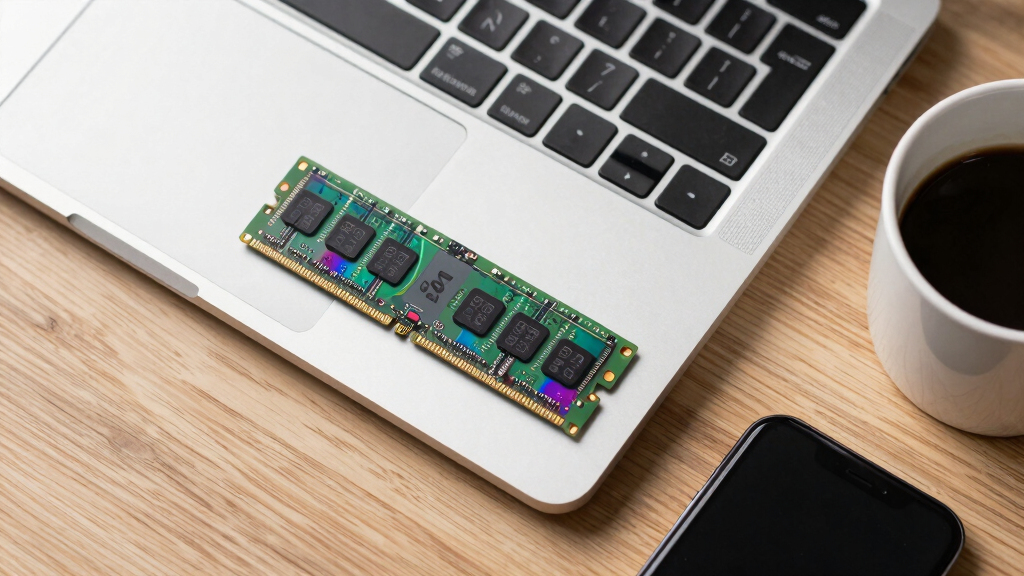

📊 Full opportunity report: When Does Cheap Memory Come Back? The 2027–2029 Question on ThorstenMeyerAI.com — validation score, market gap, and execution plan.

Get business pricing on office and shipping supplies
- Business-only prices and quantity discounts
- Tax-exempt purchasing
- Multiple users, one account, clear invoices
TL;DR
Memory prices are unlikely to return to pre-crisis levels before 2028 or later. Industry experts project a slow easing, with prices remaining elevated through 2029 due to capacity constraints and persistent demand, especially from AI markets.
Memory prices are expected to remain elevated through 2028 and possibly beyond, with no immediate relief in sight. Industry experts and manufacturers agree that the supply-demand imbalance caused by the 2026 memory crunch will not ease until late 2028 or early 2029, driven by manufacturing constraints and ongoing demand from AI applications.
The consensus timeline among analysts and industry leaders indicates that memory supply will begin to stabilize around late 2028, with prices remaining 30–50% above pre-crisis levels. Major capacity additions, including new fabs from Micron, Samsung, and SK Hynix, are projected to come online between 2027 and 2029, but these are limited by physical and logistical bottlenecks, particularly in cleanroom space and advanced packaging.
Micron’s Idaho fab started DRAM production mid-2027, marking the first significant capacity increase, while other expansions such as SK Hynix’s Indiana plant and Samsung’s Pyeongtaek line are scheduled for 2028. The largest planned capacity, Micron’s Clay megafab in New York, has been delayed until 2030. Meanwhile, US fabs funded by the CHIPS Act are not expected to impact the near-term supply crunch.
Industry forecasts outline three potential scenarios: a gradual relief leading to a modest price decline by 2028–2029, a prolonged shortage extending past 2029 due to persistent demand, or a market correction triggered by oversupply if demand unexpectedly drops. However, the dominant view suggests that prices will stay high for several years, with relief only arriving once new capacity is fully operational.
When does cheap memory come back?
The question everyone’s really asking: do I just wait this out? The honest answer is a timeline, three scenarios, and news you may not want — the cheap memory you remember isn’t coming back. A less-expensive market probably is — later, and at a higher floor.
Capacity ramps ’27–’28; price climbs stop, then ease. Settles ~30–50% above pre-crisis — the new baseline, not a return to 2024.
AI keeps accelerating; OpenAI locked ~40% of DRAM through 2029; makers pause expansion to protect record margins; each HBM gen worsens the math.
AI demand moderates just as delayed ’27–’28 fabs all arrive → classic overshoot → prices crash. Not the bet — but never impossible in this industry.
The one relief valve that needs no fab is efficiency: if compression (Part 9) cuts how much memory each model needs, demand softens on the timescale of a software update, not a construction project. So the posture isn’t waiting — it’s the discipline this series has been about. Memory is now a scarce, valuable resource; treat it that way. Buy what you need, right-size, own what’s steady, rent what’s spiky, quantize either way. The people who do best won’t be the ones who guessed the bottom — they’ll be the ones who stopped needing so much. That’s the squeeze, end to end.
Why Persistent Memory Shortages Impact Tech and Markets
The sustained high memory prices and limited supply directly affect industries reliant on advanced memory, including AI, data centers, and consumer electronics. Elevated costs increase product prices and slow innovation cycles, while the prolonged shortage underscores the importance of supply chain resilience and technological efficiency. For investors and businesses, understanding this timeline helps in strategic planning and resource allocation, especially as the industry adapts to structural constraints that may keep prices elevated well into the next decade.
As an affiliate, we earn on qualifying purchases.
Memory Market Trends and Capacity Expansion Timeline
The 2026 memory crunch was driven by a surge in demand, notably from AI applications, combined with manufacturing delays. Major memory producers like Samsung, SK Hynix, and Micron responded by announcing new fabs and capacity expansions, but physical constraints—particularly in cleanroom construction and advanced packaging—limit how quickly these can be realized. The first wave of capacity additions in 2027 is expected to ease the shortage slightly, but full market normalization remains distant, with most analysts projecting relief only around 2028 or later.
Historically, the memory industry has experienced boom-bust cycles, with supply gluts often following shortages. The current situation is complicated by the increasing complexity of memory technology, such as HBM, which requires more wafer capacity and advanced packaging. Industry insiders emphasize that even with new fabs, physical and technological bottlenecks will prevent rapid relief, making a sustained period of high prices likely.
“Memory shortages could persist through 2027 and beyond, with meaningful easing only expected in late 2028.”
— Samsung spokesperson
As an affiliate, we earn on qualifying purchases.
Uncertainties in Memory Supply and Demand Dynamics
While the consensus points to relief around 2028–2029, several factors could alter this timeline. Persistent demand from AI, especially if growth accelerates unexpectedly, could prolong shortages. Conversely, a market downturn or technological breakthroughs in memory efficiency might lead to an oversupply and price collapse. The impact of geopolitical events and supply chain disruptions also remains unpredictable, adding further uncertainty to the forecast.
As an affiliate, we earn on qualifying purchases.
Key Developments to Watch in Memory Market Recovery
In the coming months, industry watchers should monitor capacity expansion progress, particularly Micron’s Clay fab and SK Hynix’s Indiana plant, as well as the deployment of US-funded fabs. Market prices and inventory levels will also be key indicators of supply-demand shifts. Additionally, advances in memory technology and demand reduction through efficiency improvements could influence the timeline, potentially bringing relief sooner or delaying it further.
As an affiliate, we earn on qualifying purchases.
Key Questions
When will memory prices return to pre-crisis levels?
Most analysts expect prices to remain 30–50% higher than pre-crisis levels until at least 2028 or 2029, with full normalization possibly delayed until then.
What factors are delaying the easing of memory shortages?
Physical constraints such as cleanroom capacity, complex packaging requirements, and deliberate supply discipline by manufacturers are primary factors delaying relief.
Could a market oversupply cause prices to crash?
Yes, if demand unexpectedly drops or supply exceeds expectations, a glut could develop, leading to a sharp price decline. However, current industry trends suggest this is less likely in the near term.
Are new manufacturing technologies expected to help?
While technological advances may improve efficiency, they are unlikely to significantly accelerate capacity expansion within the next few years due to physical and logistical constraints.
How does demand from AI influence the timeline?
Persistent and growing AI demand continues to strain supply, making relief later than initially hoped and contributing to the sustained high prices.
Source: ThorstenMeyerAI.com
Halloween Picks
halloween
As an affiliate, we earn on qualifying purchases.