
📊 Full opportunity report: Men's Grooming App Tracks Skincare Habits And Personal Progress on IdeaNavigator AI — validation score, market gap, and execution plan.

Get business pricing on office and shipping supplies
- Business-only prices and quantity discounts
- Tax-exempt purchasing
- Multiple users, one account, clear invoices
TL;DR
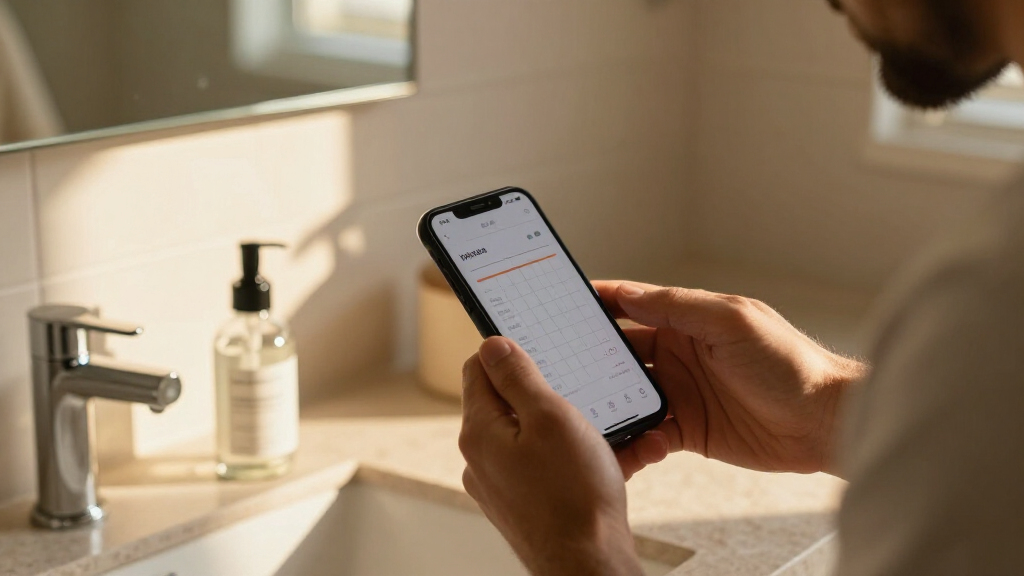
IdeaNavigator AI has outlined a proposed app concept for men entering skincare, built around weekly photos, routine logs and progress tracking. The concept has not been shown to be a launched product or a validated business, and its scoring accuracy, user demand and commercial model remain untested.
IdeaNavigator AI has proposed a men’s skincare app that would use weekly guided selfies, routine logging and progress cards to help users track changes in their skin. The concept targets men newly starting skincare who want a way to judge whether a routine is helping, but the proposal provides no evidence of a launched app, user testing or measured results.
The proposed minimum viable product would prompt users to take weekly selfies and track skin clarity, texture and dark circles. It would pair those images with routine logs and streaks, then present progress in a style described as training metrics rather than conventional beauty language. The document does not specify how the app would score images, account for lighting or camera differences, or distinguish routine effects from other causes of skin changes.
The proposed business model combines a subscription with affiliate recommendations for products associated with gaps in a user’s measurements. These are suggested features and revenue sources, not confirmed services or commercial arrangements. No subscription price, product partners, privacy policy, development team or release schedule is provided.
For validation, IdeaNavigator AI proposes testing the same photo-capture technology with men’s-training branding and neutral branding, then comparing conversion and retention among user segments. The proposal gives no trial design, sample size, target thresholds or results, so it remains unclear whether the framing would change sign-ups or continued use.
Testing a More Measurable Skincare Pitch
The concept addresses a product-design question: whether men who are new to skincare would be more likely to use a tracker presented as a personal progress tool than an app using familiar beauty terminology. If tested, the branding comparison could offer evidence about how language and onboarding affect adoption. At present, that is a proposed experiment, not a demonstrated market finding.
The idea also puts measurement and product recommendations in the same workflow. That could make routine tracking convenient, but it creates a need for clear disclosure about affiliate links and how recommendations are generated. Users would need to know whether a product suggestion reflects a measured need, a commercial relationship, or both. The proposal does not set out those safeguards.
Skin photos are personal data, and tracking them over time would raise practical questions about storage, deletion and access. Those considerations matter to prospective users even before any claims about effectiveness can be assessed. The concept does not describe its data practices or how it would protect images.
Popular right now

Philips Baristina Espresso Machine with Milk Frother (BAR308/60)

Bose QuietComfort True Wireless Earbuds with Active Noise Cancellation, Bluetooth 5.3, USB-C Charging, IPX4, Black

Apple AirPods Pro 3 Wireless Earbuds with Active Noise Cancellation
As an affiliate, we earn on qualifying purchases.
From Concept to Testable Product
The proposal frames its audience as a man newly invested in skincare who wants visible evidence of progress. It argues that existing beauty apps may feel unwelcoming to some men because of their design, tone or marketing. That is the proposal’s account of a user problem; it does not provide research, survey findings or examples establishing how widespread the issue is.
It also cites men’s skincare growth and looksmaxxing culture—an online focus on improving appearance—as reasons the idea may be timely. However, no market-size figures, growth rates or independent data are included. The claim that this audience is especially receptive to metrics and gamification should be treated as a hypothesis to test, not a confirmed description of all men interested in skincare.
The suggested first step is deliberately narrow: test branding around a single recurring activity, capturing a guided selfie and reviewing progress. That approach could help evaluate initial interest before building a larger feature set. But conversion alone would not show that users find the scores reliable or keep using the app over time; retention and user feedback would also matter.
Demand, Scoring and Privacy
No product launch or testing results are reported. The proposal does not establish how many users want this type of app, whether a training-oriented identity would improve retention, or whether users would pay for a subscription. Its description of men’s skincare as a fast-growing segment is not accompanied by figures or a cited measurement period.
It is also unclear whether photo-based scores can be made consistent across changes in lighting, camera quality, facial expression and skin condition. The proposed categories—clarity, texture and dark circles—are not accompanied by definitions, validation methods or information about whether any scoring would be automated. Without those details, progress cards could risk implying more precision than the underlying measurements support.
Further open questions include what personal information would be collected, how long images would be retained, whether they could be deleted, and how affiliate recommendations would be labeled. No developer, funding, launch timing or product partners are identified.
Branding Tests Before a Launch
The next step described in the proposal is a positioning test comparing men’s-training branding with neutral branding on the same capture technology. The plan calls for comparing conversion and retention by segment, but it does not say when such a test will run or whether a team has committed to building it.
If the concept advances, users and observers would need more detail on how scoring is produced, what the app can and cannot infer from photos, and how image data and commercial recommendations are handled. Until those points and test results are available, the app should be understood as a product idea, not a proven skincare tool.
Source: IdeaNavigator AI
Key Questions
Is the men’s skincare tracking app available now?
No launch is reported. The proposal describes a possible product and suggested features, but gives no release date or evidence that an app is available.
What would the app track?
The proposed app would use weekly guided selfies to track skin clarity, texture and dark circles, alongside routine logs and streaks. The method for scoring those categories is not specified.
Has the app been shown to improve skin?
No effectiveness results are provided. The concept proposes tracking progress, but it does not report a clinical study or user test showing that the app or a skincare routine improved skin.
How might the concept make money?
The proposed model is a subscription plus affiliate product recommendations. No price, partners or recommendation rules are provided.
What is the proposed test?
IdeaNavigator AI suggests comparing men’s-training branding with neutral branding for the same photo-capture product, then measuring conversion and retention by segment. No test results or schedule are given.
Source: IdeaNavigator AI