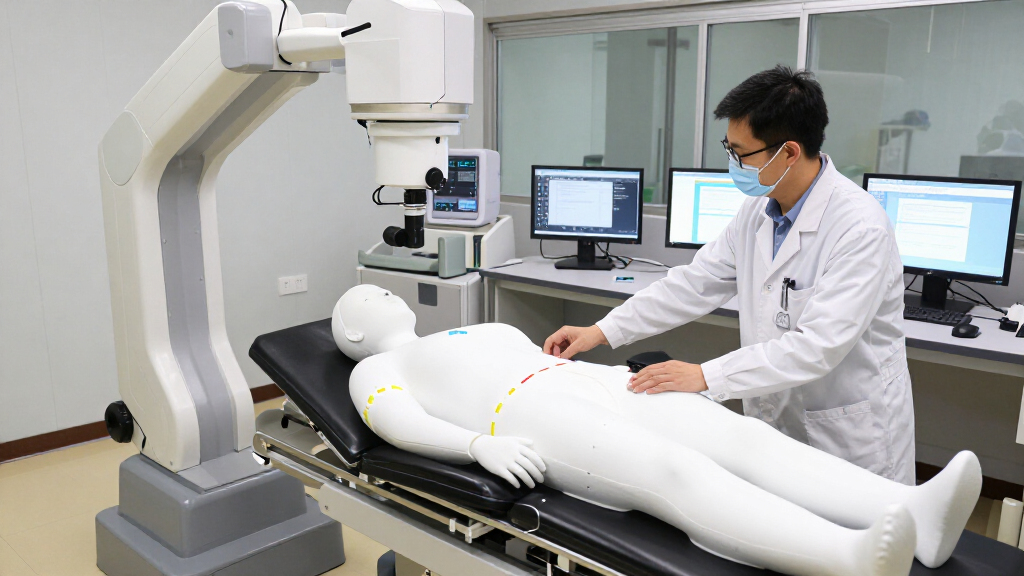

TL;DR
IBA announced the QUASAR Penta-Guide Performance Phantom on September 27, 2026. The company says the system combines more than 25 imaging and machine quality assurance tests in one setup, with software for analysis and reporting; independent performance data and pricing were not included in the announcement.
IBA announced the QUASAR Penta-Guide Performance Phantom on September 27, saying it can support more than 25 imaging and machine quality assurance tests in a single setup. The company says the system is designed for routine and advanced radiotherapy QA, including image-guided and adaptive treatment workflows.

Get business pricing on office and shipping supplies
- Business-only prices and quantity discounts
- Tax-exempt purchasing
- Multiple users, one account, clear invoices
IBA describes the phantom as a way to bring multiple quality assurance checks together, reducing the need for separate phantoms and repeated setups. It is designed for 2D and 3D imaging tests and checks related to image quality, geometric accuracy and system performance. The announcement says its technology components support image-guided and cone-beam CT-based adaptive radiotherapy QA.
The system also includes software for DICOM handling, automated data analysis, report generation and performance trending. IBA says these features reduce manual analysis and help clinics document results consistently and monitor them over time. The company did not publish comparative test results or quantify how much time clinics might save.
The phantom expands IBA Dosimetry’s QUASAR product portfolio. IBA characterized the product as suitable for both routine and advanced imaging, machine and adaptive treatment QA in radiotherapy departments. The release does not name launch customers, provide availability dates, or state a price.
One Setup for More QA Checks
Radiotherapy quality assurance checks help clinical teams assess whether imaging and treatment systems are performing as expected. IBA’s product announcement addresses the operational work involved in those checks: clinics may otherwise use multiple phantoms, repeat setups and separate analysis tools. Consolidating procedures could make recurring QA easier to organize, although the announcement offers no independent evidence yet on the size of any efficiency gains.
The product is aimed at workflows that use image guidance and adaptive radiotherapy, where imaging and treatment-system performance are relevant to routine checks. IBA says the phantom supports monitoring across these areas. For clinics evaluating it, the practical question will be whether its supported tests and software fit their equipment, protocols and documentation needs.
IBA also links reduced procedural variation and consistent testing to treatment safety. Those are stated aims, not reported clinical outcomes from use of the new phantom. The release does not provide evidence that the product changes patient outcomes or independently validates treatment delivery.
Popular right now

TCL 55-Inch R7D Series QLED 4K UHD HDR Roku Smart TV (55R7D, 2026)

Bose QuietComfort Wireless Noise-Cancelling Headphones, Sandstone

De'Longhi Stilosa Compact Manual Espresso Machine with Milk Frother
As an affiliate, we earn on qualifying purchases.
IBA’s Radiotherapy QA Portfolio
IBA Dosimetry supplies dosimetry and quality assurance products, while IBA as a broader company works in particle accelerator technology, proton therapy, industrial sterilization and radiopharmaceuticals. The company is based in Louvain-la-Neuve, Belgium, and says it employs approximately 2,300 people worldwide.
The September 27 announcement presents the Penta-Guide as an addition to the existing QUASAR portfolio. It frames the product around radiotherapy departments’ need to check imaging and machine performance as image-guided and adaptive workflows develop. The release gives no product launch schedule beyond the announcement date and does not say whether the device is already available to buy.
“The QUASAR Penta-Guide Performance Phantom was developed around the realities of modern clinical workflows. By bringing imaging and machine QA checks into one setup, it helps clinical teams work more efficiently while maintaining the consistency and confidence required for image-guided and adaptive radiotherapy.”
— Jean-Marc Bothy, president of IBA Dosimetry
Performance Data Still Pending
The announcement does not provide independent test results, named evaluations by clinics, or direct comparisons with existing QA systems. It also does not specify which equipment models and treatment systems are compatible, the full list of supported tests, or how the software handles data from different vendors.
Pricing, availability, regulatory status and customer uptake were not stated. IBA’s claims about reducing setup requirements, manual analysis and procedural variability remain product claims in the release; no measured time savings or clinical outcomes were reported.
Availability and Clinic Evaluations
IBA has announced the product, but its release does not give a date for commercial availability or describe a rollout plan. Further details from the company would be needed to establish pricing, compatibility, supported protocols and installation requirements.
Clinical teams considering the phantom will also need product specifications and evidence from testing in relevant workflows. Any evaluations or customer reports could clarify how the claimed consolidation works in practice and whether it reduces setup and analysis time.
Key Questions
What did IBA announce?
IBA announced the QUASAR Penta-Guide Performance Phantom, a radiotherapy QA product that the company says supports more than 25 imaging and machine tests in one setup.
What kinds of tests does the phantom support?
IBA says it is designed for 2D and 3D imaging QA, including checks of image quality, geometric accuracy and system performance. The company also describes support for image-guided and cone-beam CT-based adaptive radiotherapy QA.
What does the integrated software do?
According to IBA, the software supports DICOM handling, automated analysis, report generation and performance trending to help clinics document and monitor QA results.
When will it be available, and what will it cost?
The September 27 announcement did not provide an availability date or price. IBA also did not identify launch customers or provide a rollout schedule.
Has IBA reported measured time savings or clinical results?
No. The release describes intended workflow benefits but does not give measured time savings, independent performance results or evidence of changes in patient outcomes.
Source: primary