

Understanding the SEO glossary is crucial for boosting your website’s visibility. You’ll learn key terms like keyword density, backlink profile, SERPs, meta descriptions, and on-page factors, which help craft effective strategies. Knowing these concepts allows you to optimize your content naturally, build quality backlinks, and improve your rankings. Staying familiar with these 50 essential terms equips you to navigate the ever-changing SEO landscape confidently—so keep exploring to reveal even more insights.
Key Takeaways
- Provides clear definitions of essential SEO terms like keyword density, backlinks, and meta descriptions.
- Explains core concepts related to search engine rankings and on-page optimization.
- Highlights important factors influencing search results, such as page authority and snippet optimization.
- Covers backlink profile quality, link building strategies, and avoiding spammy links.
- Emphasizes ongoing SEO practices like keyword optimization, backlink analysis, and adapting to algorithm updates.

Are you new to search engine optimization or looking to sharpen your skills? Understanding the core terms in SEO is essential to improving your website’s visibility and performance. One fundamental concept you’ll encounter is keyword density, which refers to the percentage of times a keyword appears on a page relative to the total number of words. Keeping an ideal keyword density is crucial; too high, and search engines may see it as keyword stuffing, which can hurt your rankings. Too low, and your content might not rank well for those targeted terms. Balancing keyword density ensures your content remains natural and engaging while still signaling relevance to search engines.
Understanding keyword density helps balance natural content and search engine relevance.
Another key term you’ll encounter is backlink profile. This describes the collection of links pointing to your website from other sites. A strong backlink profile indicates to search engines that your website is trustworthy and valuable, which can greatly boost your rankings. It’s not just about the number of backlinks but also their quality—links from reputable, relevant sites carry more weight. Building a healthy backlink profile involves earning backlinks naturally through high-quality content, guest posting, and outreach, rather than relying on shady tactics that can lead to penalties. It’s important to regularly analyze your backlink profile to identify and disavow any spammy or low-quality links that could harm your SEO efforts.
As you dive deeper into SEO, you’ll also hear about other essential terms like SERPs (Search Engine Results Pages), which display the list of websites that appear after a query, and meta descriptions, short summaries that appear below your page title. Understanding how these elements influence user clicks can help you craft more compelling snippets that improve your click-through rates. Additionally, page authority is a metric used to predict how well a specific page will rank in search results, and mastering this can help you focus your optimization efforts. You’ll also want to become familiar with on-page SEO factors such as header tags, URL structure, and internal linking, all of which contribute to how well your site ranks.
Ultimately, mastering these terms allows you to develop more effective strategies and communicate confidently with developers or content creators. Whether you’re optimizing for keyword density to guarantee your content ranks or analyzing your backlink profile to improve authority, knowing these foundational concepts makes your SEO efforts more targeted and successful. Remember, SEO is a continuous process, and staying familiar with these terms helps you adapt to algorithm updates and industry shifts. Keep learning, experimenting, and refining your approach, and you’ll see your website climb higher in search results.

Philips 4400 Series Fully Automatic Espresso Machine, LatteGo Milk System, Integrated Grinder, 12 Hot & Iced Coffee Pre-Sets, Quick Start, SilentBrew, 15-Bar Pressure, Black Chrome (EP4444/90)
12 PRESETS, ENDLESS COMBINATIONS: Hot drinks like espresso, coffee, lattes, and cappucinos, to iced coffee, or simply hot...
As an affiliate, we earn on qualifying purchases.
Frequently Asked Questions
How Often Should SEO Terminology Be Updated?
You should update your SEO terminology regularly to stay current with SEO terminology updates, ideally every few months. SEO jargon evolution happens quickly, and new terms or changes can impact your strategy. By tracking industry news and algorithm updates, you guarantee your knowledge remains relevant. Staying on top of these updates helps you adapt your SEO efforts effectively, keeping you ahead in search rankings and competitive in the digital landscape.
Which Terms Are Most Critical for Beginner Marketers?
Imagine building a sturdy bridge; for beginner marketers, understanding essential SEO terms is your foundation. Focus on keyword research to identify what your audience searches for and mastering backlink strategies to strengthen your site’s authority. These terms are like the beams and cables holding your bridge together. Grasping them helps you navigate SEO’s landscape confidently, ensuring your efforts lead to better visibility and higher rankings.
How Do Regional Language Differences Affect SEO Terms?
Regional dialects and language localization considerably impact SEO terms by influencing how your audience searches. You need to adapt your keywords to match regional language nuances, ensuring your content resonates locally. Failing to account for regional dialects may lead to missed opportunities and lower rankings. By tailoring your SEO strategies with language localization, you improve visibility and engagement, making your content more accessible and relevant to diverse audiences.
Are There Industry-Specific SEO Jargon I Should Know?
Imagine trying to decode ancient runes—industry-specific SEO jargon can feel just as mysterious. You’ll encounter technical language like keyword cannibalization, backlink profiles, and schema markup, all tailored to specific industries. Knowing this jargon helps you communicate effectively with specialists and understand strategies. So, yes, mastering industry jargon guarantees you’re not lost in translation, making your SEO efforts sharper and more targeted.
How Can I Stay Current With Evolving SEO Terminology?
To stay current with evolving SEO terminology, you should regularly follow industry blogs, attend webinars, and participate in SEO forums. Keep an eye on the latest trends and updates from search engines like Google. Subscribing to newsletters from trusted sources helps you stay informed about new SEO jargon. Networking with other marketers also provides insights into emerging terms and best practices, ensuring you’re always up-to-date.

Cuisinart 14-Cup Coffee Maker, Programmable PerfecTemp Glass Carafe Coffee Machine with 1-4 Cup Setting, Brew Strength Control and Pause, Stainless Steel, DCC-3200NAS
ADJUSTABLE CARAFE TEMP: Our Cuisinart 14-Cup* Coffee Maker with adjustable carafe temp feature adjusts the warming plate temperature...
As an affiliate, we earn on qualifying purchases.
Conclusion
Mastering these 50 SEO terms might seem challenging, but think of it like deciphering a secret code to digital success. As you learn each term, you’re building a bridge from confusion to clarity, from frustration to confidence. Remember, every expert was once a beginner. Embrace the journey, and let your newfound knowledge transform your marketing efforts into powerful, measurable results. The future of your online presence depends on the words you understand today.
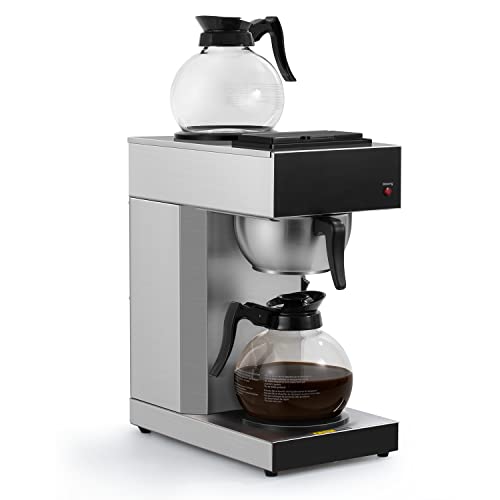
SYBO 12-Cup Commercial Drip Coffee Maker, Pour Over Coffee Maker Brewer with 2 Glass Carafes and Warmers, Stainless Steel Cafetera SF-CB-2GA
Certified Safe & Reliable: Unlike uncertified machines on the market, our coffee maker is fully ETL, CE, ROHS,...
As an affiliate, we earn on qualifying purchases.

12-Cup Commercial Coffee Maker Stainless Steel - Double Coffee Machine for Office, Restaurant, Industrial Use - High Capacity Office Coffee Maker - TQS Cafe
Superior Performance: Our industrial coffee maker offers unparalleled brewing efficiency, ensuring your cafe or office stays energized. This...
As an affiliate, we earn on qualifying purchases.