
When choosing between manual and automated PPC bidding strategies, you control your bids directly or let machines optimize for your goals like clicks or conversions. Manual bidding offers precision and flexibility but requires ongoing attention to stay ahead of competitors. Automated bidding saves effort by adjusting bids in real-time based on market data but needs careful monitoring to avoid overspending. By understanding these options, you can select the best approach to boost your campaign success and learn more insights ahead.
Key Takeaways
- Manual bidding offers precise control by setting individual bids, ideal for experienced advertisers targeting specific keywords.
- Automated bidding uses machine learning to optimize bids in real-time, focusing on campaign goals like conversions or ROAS.
- Manual bidding requires ongoing adjustments and detailed competitor analysis, while automated strategies adapt dynamically to auction changes.
- Choosing between strategies depends on campaign complexity, budget, and the desired level of control and automation.
- Combining both methods can leverage manual precision and automated efficiency for optimal PPC performance.

Are you struggling to get the most out of your pay-per-click campaigns? If so, understanding how to effectively set your bids can make a huge difference. When it comes to PPC bidding, knowing the ins and outs of ad auction dynamics is essential. Every time someone searches for a keyword, your ad enters an auction where multiple advertisers compete. The system considers your bid, ad quality, and expected impact to determine whether your ad shows and at what position. To succeed, you need to grasp how these factors interact, especially your bid strategy’s role in this process. Competitor analysis becomes indispensable here. By studying what your competitors are bidding and how they structure their campaigns, you can refine your approach to maximize visibility without overspending. This insight helps you identify gaps in your strategy and opportunities to outbid rivals efficiently. Additionally, understanding AI in Business can provide advanced tools for predictive analytics and competitor insights, further refining your bidding strategy. Manual bidding puts you in the driver’s seat. You set bids for individual keywords, giving you control over how much you’re willing to pay for each click. This approach allows you to tailor your bids based on your knowledge of the market and your competitors. For example, if you notice that certain keywords have high competition, you can increase your bids to improve your chances of winning the auction. Conversely, for less competitive keywords, you can lower your bids to save budget. Manual bidding demands ongoing attention and adjustments, but it offers precision, especially if you’re experienced in analyzing ad auction dynamics and competitor behaviors. It gives you the flexibility to allocate your budget where it counts most, reaching the right audience at the right time.
On the other hand, automated bidding leverages machine learning to optimize bids in real-time. You set your goals—such as maximizing conversions, click volume, or return on ad spend—and let the platform handle the bidding process. Automated strategies excel at reacting quickly to changes in ad auction dynamics and competitor activity, often outperforming manual bids in terms of efficiency. They analyze vast amounts of data, including your historical performance, competitor movements, and market trends, to adjust bids dynamically. This reduces the manual workload and helps smaller advertisers compete against larger players. However, automated bidding can sometimes lead to higher costs if not monitored carefully, so it’s essential to choose the right strategy aligned with your goals.

TourBox NEO - Customizable Editing Controller, Photo Color Grading Illustration Speed Editor, Intuitive Control Boost Productivity, Programmable Keyboard for Adobe CSP and More, Works with Mac/PC
TourBox NEO is a standard wired version. No charging, no dropouts, stable zero-latency. Engineered for macOS and Windows...
As an affiliate, we earn on qualifying purchases.
Frequently Asked Questions
How Do I Choose the Right Bid Strategy for My Campaign?
To choose the right bid strategy, start with thorough keyword research to identify high-converting terms. Consider your campaign goals—if you want control, manual bidding lets you set specific bids, but automated bidding can optimize performance over time. Test different strategies, monitor ad copy performance, and adjust bids based on data insights. This approach helps you balance control and automation for the best results.
Can I Switch Between Manual and Automated Bidding Easily?
Yes, you can switch between manual and automated bidding easily. Most platforms offer bid strategy flexibility, allowing you to change your approach without hassle. Just review your campaign goals first, then adjust your bid strategy in the settings. Keep in mind, switching is straightforward, but it might impact your performance temporarily as the system adapts. Regularly monitor your campaign to make certain your new bid strategy aligns with your objectives.
What Are Common Mistakes to Avoid With Automated Bidding?
Avoid common bidding errors like relying solely on automated bidding without monitoring, which can lead to wasted ad spend. Don’t believe bid strategy myths that automated bidding always guarantees success; it needs proper setup and ongoing optimization. Keep an eye on performance data, adjust settings as needed, and don’t set and forget. Regularly review your campaigns to ensure your bidding aligns with your goals, preventing costly mistakes.
How Do Bid Strategies Impact Overall Ad Performance?
Imagine you’re a captain steering your ship through digital waters—your bid strategies are your compass. They directly impact your ad performance by optimizing your ad budget, ensuring your campaigns reach the right audience, and boosting ad relevance. When you choose the right bid strategy, you get better control over costs, higher click-through rates, and improved ROI. Conversely, poor choices can lead to wasted spend and low engagement, sinking your efforts.
Are There Specific Industries That Benefit More From One Strategy?
Certain industries, like e-commerce or highly competitive niches, benefit more from industry-specific bidding strategies. If you’re targeting niche markets, manual bidding allows you to fine-tune your bids for better control. Conversely, automated bidding works well for broader industries with fluctuating demand. Assess your industry’s complexity and goals to choose the right approach, ensuring your ad spend aligns with your target audience and maximizes ROI effectively.

Elgato Prompter – Teleprompter with Built-in Screen for YouTube, Twitch, Zoom and More, 1080 pixels, Supports DSLR/Webcam/Smartphone, Drag & Drop Monitor Display, Works with Mac/PC & Stream Deck
Built-in display, Drag-and-drop: No extra tablets or smartphone screens required. Move any window or app onto Prompter’s display,...
As an affiliate, we earn on qualifying purchases.
Conclusion
Choosing between manual and automated bidding is like picking the right tool for the job—you’ll get the best results when you match your strategy to your goals. Manual bidding gives you control, while automated bidding offers efficiency. Think of it as steering your ship—you can navigate with your hands or let the autopilot handle the course. Whichever you choose, stay flexible, learn from your data, and watch your PPC campaigns sail smoothly toward success.

Phomemo Mini Sticker Printer- Mini Printer Sticker Maker Machine M02, Print Pods Suitable for Creative DIY, Diaries, Photos, Study Notes, Portable Thermal Inkless Label Maker for Home/Travel, Black
Bluetooth Thermal Printer- Bluetooth 4.0 connection. System for Android 7.0 and iOS 13.0 or above. Phomemo M02 pocket...
As an affiliate, we earn on qualifying purchases.
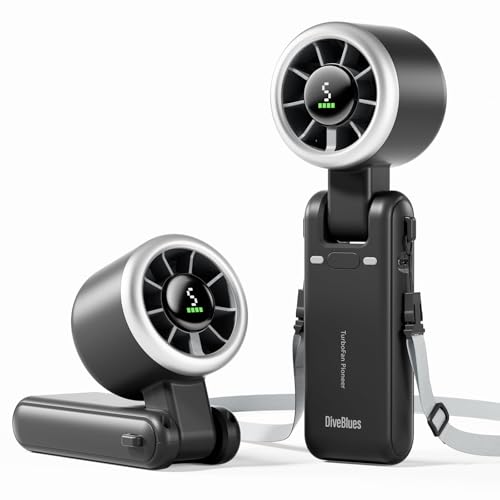
Diveblues Portable Handheld Turbo Fan, 5 Gear Wind, Battery Operated, Up to 12 Working Hours, 3 IN 1 Hand Fan with Air Turbo Tech Cooling Fan for Outdoor Activities, Travel, Working, Obsidian black
Ultra Powerful Wind, Rapid Cooling: Stay cool on the go with the JetForce handheld turbo fan! Featuring Aero-Turbojet...
As an affiliate, we earn on qualifying purchases.