📊 Full opportunity report: Form Assessment For Young Athletes: Comparing Against Pro Benchmarks on IdeaNavigator AI — validation score, market gap, and execution plan.

Get business pricing on office and shipping supplies
- Business-only prices and quantity discounts
- Tax-exempt purchasing
- Multiple users, one account, clear invoices
TL;DR
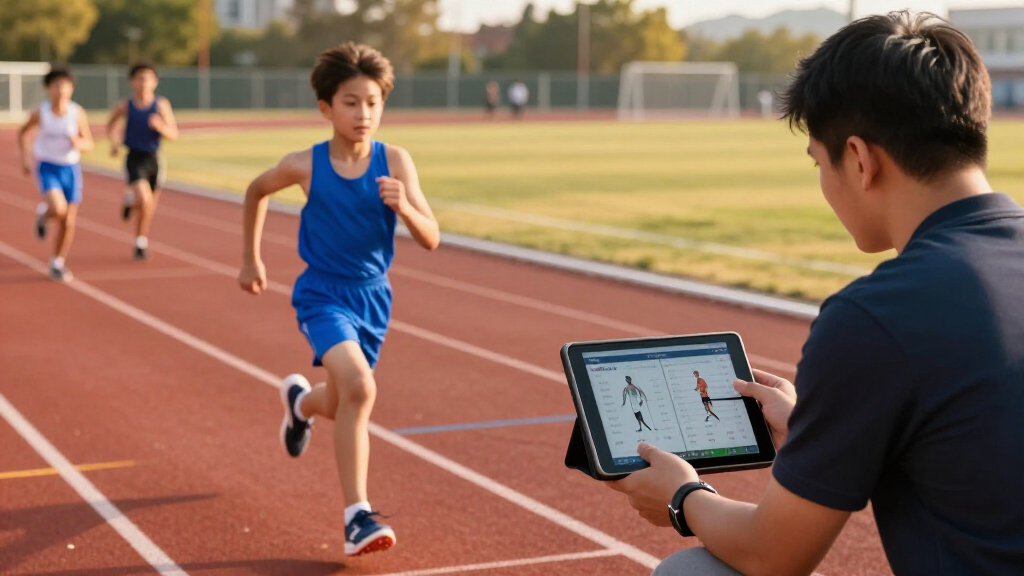
A product proposal calls for a phone app that compares young athletes’ filmed movements with pro-derived reference mechanics and recommends one drill per practice. The concept has not been shown to be a tested product: its proposed first step is a baseball-hitting pilot with certified coaches reviewing grades for 100 children.
IdeaNavigator AI has outlined a proposed phone-based form-assessment app for young athletes who practice without private coaching, pairing filmed repetitions with pro-derived movement references and a drill recommendation. The concept is not reported as a launched or validated product; its suggested first test is a baseball-hitting pilot in which certified coaches would review the app’s grades for 100 children.
According to IdeaNavigator AI’s proposal, a parent would film an athlete performing a skill, and the app would analyze the movement using pose-estimation models that can run on a phone. It would compare the athlete’s mechanics with reference motion profiles derived from professional examples, then score selected checkpoints such as hip rotation, release angle or stride. The relevant checkpoints would depend on the sport and skill being assessed.
The proposal says the app would identify a gap and prescribe one drill for that session, aimed at the largest difference between the athlete’s movement and the reference. It frames this as a narrow first product for families, rather than a general training platform. A paid model could offer a subscription by sport, with a separate coach tier for team use.
IdeaNavigator AI proposes beginning validation with baseball hitting and asking certified coaches to assess the app’s grades against their own evaluations across 100 children. That comparison is a proposed test, not a reported result. The proposal provides no performance data, coach findings, product release details or subscription prices.
Could Phone Feedback Fill a Coaching Gap?
IdeaNavigator AI’s proposal identifies a practical access problem: young athletes may repeat swings, throws or running strides without a coach observing each repetition. It cites private-session costs of $75 to $150 per session. A phone-based service could offer families a lower-cost way to review practice, if its assessments are accurate and useful.
That possibility depends on more than detecting a body position. Parents and athletes would need feedback they can understand and apply, while coaches would need reason to trust the grades and drills. A misleading assessment could send a young player toward the wrong adjustment. The proposed coach review is therefore central to the product’s case: it could test whether automated scores correspond with professional evaluations, although the proposed sample alone would not establish results across every sport, age group or skill level.
The proposal also points to a potential injury-prevention benefit, arguing that repeated form flaws may become habits or contribute to injury risk. This is the proposal’s rationale for testing the concept, not evidence that an app would prevent injuries. It reports no injury outcomes or clinical evaluation.
sports form analysis app for youth athletes
As an affiliate, we earn on qualifying purchases.
As an affiliate, we earn on qualifying purchases.
From Phone Pose Estimation to Youth Practice
IdeaNavigator AI bases the concept on the availability of pose-estimation models that run on smartphones. The proposal says these models are accurate enough to compare a child’s mechanics with reference profiles, potentially making basic feedback available through a free tier. It does not identify a particular model, publish an accuracy measure or provide results from youth athletes, so that technical claim remains unquantified.
The proposal limits the initial scope to one buyer—a parent whose child practices without a private coach—and one possible initial sport, baseball hitting. That focus would let a pilot examine a defined movement rather than attempt to grade every sport at once. The suggested expansion into subscriptions for multiple sports and team use would depend on whether the first test showed that the grades are useful and reliable.
baseball swing training video analysis
As an affiliate, we earn on qualifying purchases.
As an affiliate, we earn on qualifying purchases.
Accuracy, Safety and Pilot Results
IdeaNavigator AI reports no pilot results and does not say whether a product has been built, who would develop it or when testing might begin. Its proposal also leaves unclear how professional reference mechanics would be selected, how the app would account for differences in a child’s age, body size or experience, and what threshold would count as an acceptable match with a coach’s assessment.
The proposed 100-child evaluation could provide an initial comparison, but the proposal does not specify the number of coaches, the scoring method, the children’s training backgrounds or how disagreements would be handled. It provides no evidence that the app’s feedback reduces injury risk or improves performance. Those outcomes would require separate evaluation and should not be assumed from a mechanics score.
The proposal does not address privacy or practical use. It involves filming children but does not describe how video would be stored, who could view it, whether recordings could be deleted or how parental consent would work. Subscription pricing, the contents of a free tier and the proposed coach features are also unspecified.
pose estimation sports training app
As an affiliate, we earn on qualifying purchases.
As an affiliate, we earn on qualifying purchases.
A Coach Review Would Be the First Test
IdeaNavigator AI’s proposal names a baseball-hitting pilot involving 100 children as the next step, with certified coaches comparing the app’s grades with their own assessments. It gives no launch date and does not confirm that the pilot is underway. If the test proceeds, useful reporting would include how closely scores matched coach evaluations, whether coaches agreed with the recommended drills, and how results varied by age and experience.
Any move beyond that test would also depend on addressing open questions around video privacy, age-appropriate reference motions and the limits of automated feedback. The proposal suggests family subscriptions by sport and a team-oriented coach tier, but gives no timetable or pricing. For now, IdeaNavigator AI has described a product concept and proposed validation plan, not evidence that automated form grading is ready to replace coaching or prevent injuries.
Source: IdeaNavigator AI
youth athletic performance feedback tool
As an affiliate, we earn on qualifying purchases.
As an affiliate, we earn on qualifying purchases.
Key Questions
Is the youth form-grading app available now?
Availability is not reported. IdeaNavigator AI describes a product concept and a proposed pilot, but does not confirm a launch or say that the app has been built.
How would the proposed app assess a young athlete?
Under IdeaNavigator AI’s proposal, a parent would film a repetition. The app would compare the athlete’s movement with pro-derived references, grade selected checkpoints and recommend one drill targeting the largest identified gap.
What sport would the first pilot cover?
IdeaNavigator AI proposes an initial test focused on baseball hitting. Certified coaches would review the app’s grades against their own assessments for 100 children.
Has the app been shown to prevent injuries or improve performance?
No such results are provided. Injury prevention and better practice feedback are reasons IdeaNavigator AI gives for exploring the concept, not demonstrated outcomes.
What remains unknown about the proposed service?
The proposal does not specify the pilot’s timing, technical accuracy, scoring method, video privacy protections, subscription prices or coach features. It is also unclear how the system would adapt reference movements for athletes of different ages and experience levels.
Source: IdeaNavigator AI
Fall Picks
fall essentials
As an affiliate, we earn on qualifying purchases.