📊 Full opportunity report: AI Call Handling For Trades That Need To Book Jobs on IdeaNavigator AI — validation score, market gap, and execution plan.

Get business pricing on office and shipping supplies
- Business-only prices and quantity discounts
- Tax-exempt purchasing
- Multiple users, one account, clear invoices
TL;DR
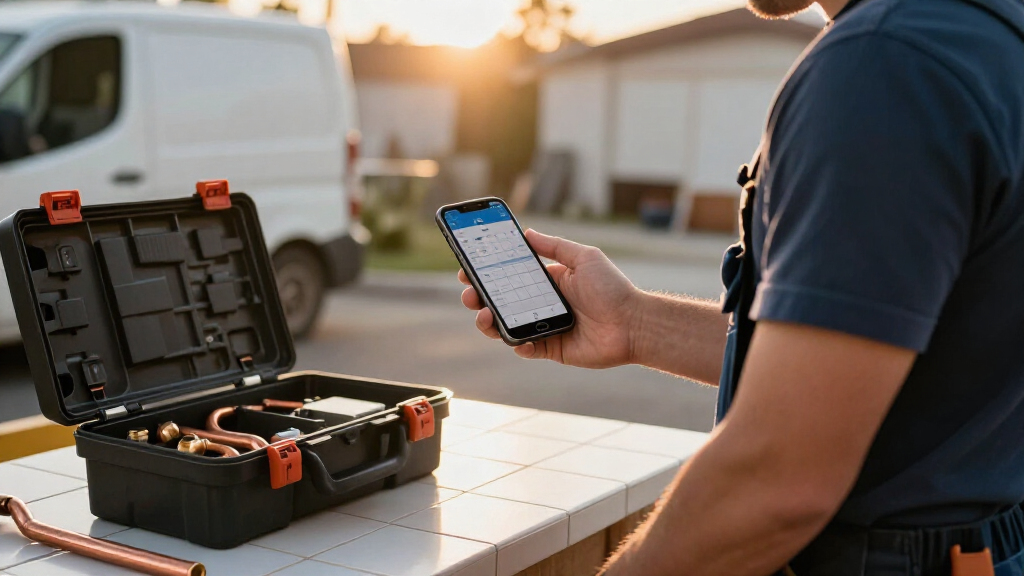
IdeaNavigator AI describes AI call answering for trades as a narrow workflow to test, not as a proven business or established product. The proposed service would collect job details, book appointments, notify the owner and route emergencies; its value would need to be measured in a trial with shops.
IdeaNavigator AI has proposed testing an AI call-answering service for plumbing, HVAC and electrical businesses that miss customer calls while owners are working on site. The concept would answer calls, collect job details and book appointments, but the material presents it as an opportunity to validate—not a proven service with demonstrated results.
The proposed first use is structured call intake for owner-operators who cannot reliably answer while working. The system would ask what the problem is, where the job is and how urgent it is, then schedule a visit in the shop’s calendar or a platform such as ServiceTitan or Jobber. It would also text the owner a call summary and route emergencies to a person live.
IdeaNavigator AI suggests charging a monthly fee per phone line, potentially combined with a fee for each booked job. It proposes testing the service by forwarding after-hours calls for five shops over one month, then counting jobs booked that owners believe they otherwise would have missed. The material does not report that this test has taken place or provide pricing, conversion rates or customer results.
The proposal’s business case rests on two assertions: that missed calls can cost tradespeople work, and that voice AI is now reliable and affordable enough for routine intake. Those are the rationale offered for pursuing the idea, rather than independently documented performance findings. The suggested pilot would need to show whether callers complete the process and whether appointments become paid work.
AI call handling for trades A pilot to test, not proven results
IdeaNavigator AI proposes automated call intake for plumbing, HVAC and electrical businesses. The idea needs a real-world trial to show whether calls become paid jobs.
The proposed workflow
The system would handle routine intake while owners are on site.
Ask about the problem, location and urgency.
Schedule a visit and text the owner a call summary.
Send urgent calls to a person live.
Who it targets
A focused front-office task for owner-operators, not a replacement for technicians.
Keep inquiries covered
Capture calls while the owner is working on site.
Qualify the request
Record the issue and urgency before scheduling.
Escalate urgent needs
A person should handle emergencies that need immediate attention.
What the trial must measure
Calls handled alone do not show whether the service earns its cost.
- Appointments booked and jobs completed
- Cancellations, caller drop-offs and scheduling errors
- Misheard details and emergency escalations
- Service cost compared with the value of completed work
Testing Whether Calls Become Jobs
For a small trade business, a missed call can mean a prospective customer contacts another contractor. An answering system that records the problem and books a visit could reduce the number of inquiries lost while the owner is occupied, especially outside regular hours. The appeal is practical: keep the phone covered without requiring the owner to stop work.
But answering is not the same as generating revenue. A useful trial would have to track completed bookings, jobs actually performed and revenue, not just calls handled. It should also account for cancellations, duplicate inquiries, incorrect scheduling and emergency calls that need immediate human attention. Comparing the cost of the service with a shop’s average job value could help operators judge whether the arrangement pays for itself, but the proposal supplies no measured figures or guarantee of return.
The concept also puts automation at a consequential point in customer service. A system that misunderstands an urgent leak, a heating failure or an electrical hazard could frustrate a caller or delay the right response. Clear escalation rules and a reliable way to reach a person are therefore part of the proposed workflow, not optional extras.
Popular right now

Dyson Ball Animal 2 Total Clean Upright Vacuum Cleaner, Blue

Ninja Foodi 8-Qt DualZone 6-in-1 Air Fryer, Grey (DZ201)

Vitamix 62827 Vita-Prep Blender, Black, 32 oz
As an affiliate, we earn on qualifying purchases.
A Narrow Front-Office Use Case
The idea is framed within home-services front-office software, but deliberately starts with one task: answering and qualifying inbound calls for small plumbing, HVAC and electrical firms. It is not presented as a general-purpose business assistant or as a replacement for technicians. The owner remains responsible for deciding which work to accept and how to handle the job.
IdeaNavigator AI says voice AI crossed a reliability threshold for structured intake calls in 2025–2026 and argues that round-the-clock automated answering could cost less than a human answering service. The material gives no benchmark, cost comparison, technical test or named provider supporting those assertions. They should be treated as the proposal’s rationale, not established results for every system or business.
The suggested pilot is intentionally small: forward after-hours calls for five businesses for a month, and compare bookings with the work those businesses might otherwise have missed. That approach could surface operational problems before a wider rollout, though the material does not specify a control group, a method for verifying missed-job estimates or how to distinguish AI-generated bookings from calls that would have converted anyway.
Pilot Results and Safety Rules
No deployed product, participating businesses or pilot findings are identified in the material. It does not name a provider, state what the service would cost, or show how often calls are understood correctly, appointments are booked or bookings turn into completed jobs. The claim that voice AI is now reliable and cheaper than a human answering service is not accompanied by comparative data.
It is also unclear how the system would handle callers with unusual requests, incorrect or incomplete addresses, scheduling conflicts, language needs or emergencies that are difficult to classify. The proposal calls for live escalation of emergencies, but provides no routing protocol, response-time target or backup plan if a person cannot be reached. Those details matter before a shop relies on automated intake.
Measure the Proposed Trial
The next step described is a one-month after-hours test across five shops. Operators would need to record calls received, appointments booked and jobs completed, then compare those outcomes with the cost of the service and the value of the work. They would also need to review misheard details, caller drop-offs and emergency escalations.
IdeaNavigator AI does not say whether a trial is scheduled or when results might be available. Until a test is reported, the proposal remains an early business concept rather than evidence that automated call answering reliably recovers jobs for trades businesses.
Source: IdeaNavigator AI
Key Questions
What would the proposed AI call-answering service do?
It would answer inbound calls, collect the issue, address and urgency, book a visit in a business calendar or supported software, text the owner a summary and route emergencies to a person. These are proposed functions; no completed product is documented.
Who is the service intended for?
The proposal targets owner-operated plumbing, HVAC and electrical businesses whose owners may miss calls while working on jobs. It focuses on a narrow intake task rather than replacing technicians or handling all business operations.
Has the five-shop trial happened?
The material recommends forwarding after-hours calls for five shops for one month, but does not say that the trial has started or provide any results.
How would a shop know whether it is worthwhile?
The proposed test would count jobs booked that owners believe they otherwise would have missed and compare the service’s cost with the shop’s average ticket. A sound evaluation would also track completed jobs, cancellations and call-handling errors; no results or financial returns are currently reported.
Source: IdeaNavigator AI