To cut down your time-to-rank, develop a clear, detailed brief before starting. Follow a structured workflow that includes thorough research, organized outlining, and focused writing. Use collaborative tools for quick reviews and revisions, and automate publishing tasks for efficiency. Tracking progress helps you catch bottlenecks early and stay on schedule. Keeping this process streamlined speeds up your content’s journey to higher rankings—if you want more tips, keep exploring these strategies.
Key Takeaways
- Establish a detailed, clear brief to align goals and reduce rework early in the process.
- Conduct targeted research and create a structured outline to streamline content development.
- Use collaborative editing and swift revisions to minimize delays and enhance content quality.
- Follow a standardized publishing process with automation for formatting, SEO, and scheduling.
- Monitor progress regularly and address bottlenecks promptly to ensure timely publication and ranking.

A well-organized brief-to-publish workflow streamlines your entire content creation process, guaranteeing your ideas move efficiently from initial concept to published piece. When you establish clear steps and responsibilities, you reduce unnecessary delays that often plague content projects. This approach helps you stay focused, meet deadlines, and maintain quality throughout each stage. Starting with a detailed brief sets the foundation; it clarifies your goals, target audience, and key messages. When everyone involved understands the purpose from the outset, you eliminate confusion and rework. Next, you move into research and outline phases, where you gather relevant data and structure your content logically. Keeping this phase focused and time-boxed prevents scope creep and keeps the project on track.
Additionally, understanding potential security vulnerabilities in your content management system can help prevent data breaches that delay publishing. Once your outline is ready, writing becomes more streamlined because you have a clear roadmap. Instead of struggling with what to say next, you can concentrate on crafting compelling, cohesive content. Active voice and concise language ensure your message resonates quickly, which is essential for SEO and audience engagement. After drafting, a swift review process allows you to catch errors, improve clarity, and guarantee your content aligns with the initial brief. Using collaborative tools for feedback accelerates revisions, avoiding lengthy back-and-forths. When revisions are integrated efficiently, you get closer to finalizing the piece without unnecessary delays.
Publishing then involves a well-defined process for formatting, SEO optimization, and platform-specific adjustments. Automating parts of this phase, like scheduling or metadata entry, saves time and minimizes mistakes. Once published, promoting your content through targeted channels guarantees it reaches the right audience faster, boosting its ranking potential. Throughout this process, you should track progress with project management tools, so everyone remains accountable and aware of deadlines. Regular check-ins help identify bottlenecks early, allowing you to address issues before they escalate.

Elgato Prompter – Teleprompter with Built-in Screen for YouTube, Twitch, Zoom and More, 1080 pixels, Supports DSLR/Webcam/Smartphone, Drag & Drop Monitor Display, Works with Mac/PC & Stream Deck
Built-in display, Drag-and-drop: No extra tablets or smartphone screens required. Move any window or app onto Prompter’s display,...
As an affiliate, we earn on qualifying purchases.
Frequently Asked Questions
How Does the Workflow Adapt to Different Content Types?
You adapt the workflow by tailoring each step to the specific content type. For blog posts, focus on keyword research and engaging writing, while for videos, prioritize scripting and visual elements. You streamline review and editing processes to suit format needs, ensuring quicker publishing. This flexibility helps you efficiently optimize content, meet audience expectations, and reduce time-to-rank across diverse formats.
What Tools Optimize the Brief-To-Publish Process?
You can optimize the brief-to-publish process by using tools like Trello or Asana for task management, Grammarly for content editing, and Google Docs for collaboration. SEO tools like SEMrush or Ahrefs help you identify keywords quickly. Automate publishing with platforms like WordPress or HubSpot, and track progress with analytics dashboards. These tools streamline your workflow, reduce delays, and guarantee faster ranking in search results.
How Is Quality Maintained During Rapid Publishing?
You maintain quality during rapid publishing by implementing strict review protocols and quality checks at each stage. Use automated tools for grammar and consistency, but also involve experienced editors for final approval. Prioritize clear guidelines and regular training to guarantee your team stays aligned with standards. This way, you catch errors early, uphold accuracy, and ensure your content remains reliable, even when you need to publish quickly.
What Are Common Bottlenecks in the Workflow?
Did you know that 60% of publishing delays stem from review bottlenecks? You often face bottlenecks like slow peer reviews, lengthy approvals, or technical issues in editing systems. These delays can extend your time-to-rank considerably. To speed things up, streamline review processes, automate approvals, and make certain your tech infrastructure is robust. This way, you can publish faster without sacrificing quality.
How Can Team Collaboration Be Improved in This Process?
You can improve team collaboration by implementing clear communication channels and setting defined roles early in the process. Use shared tools like project management software to track progress and deadlines transparently. Regular check-ins help identify bottlenecks and foster accountability. Encouraging open feedback and collaboration guarantees everyone stays aligned, reducing misunderstandings and delays, ultimately speeding up the workflow and getting your briefs published faster.

MAONO Gaming Audio Mixer, Audio Interface with Pro-preamp, RGB, Bluetooth, 48V Phantom Power for Live Streaming, Podcasting, Content Create, Gaming MaonoCaster G1 NEO (Not for USB Mic)
Essential Kit for Streaming Setup: MAONOCASTER G1 NEO is the essential gear for gamers and up-and-coming streamers diving...
As an affiliate, we earn on qualifying purchases.
Conclusion
By streamlining your brief-to-publish workflow, you can considerably reduce your time-to-rank and stay ahead of the competition. Remember, “A stitch in time saves nine”—addressing issues early keeps your process smooth and efficient. Stay focused, keep refining your steps, and you’ll see faster results and greater success. Embrace the process, and you’ll find that speed and quality go hand in hand, turning your workflow into a well-oiled machine.
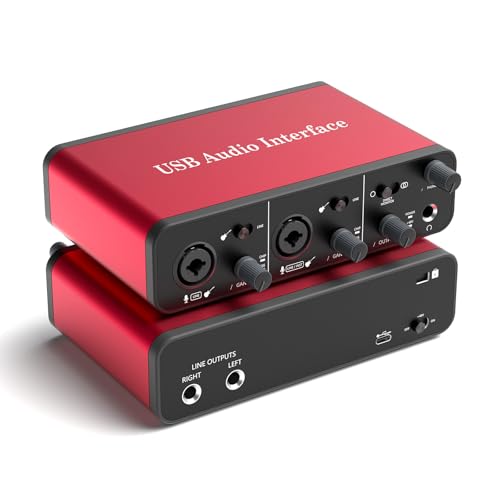
USB Audio Interface – 24Bit/192kHz Studio Recording, 48V Phantom Power – Compatible with DAWs, Perfect for Music, Podcasting & Voiceovers (Mac/PC)
🎼【OseTub USB Audio Interface】The USB Audio Interface features two XLR/1/4" combo inputs that allow users to plug in...
As an affiliate, we earn on qualifying purchases.

CIXUN 2x2 USB-C Audio Interface for PC/Mac Recording, 24-bit/192kHz, Dual TS/XLR Inputs, +48V Phantom Power, Studio/Podcast/Streaming(Matte Red)
Plug-and-Play USB Audio Interface for PC and Mac No drivers, no complicated software—just plug in via USB and...
As an affiliate, we earn on qualifying purchases.