
TL;DR
Play games included with Prime
Start a Prime free trial and play with Amazon Luna on your devices.
As an affiliate, we earn on qualifying purchases.
The Washington Post recently invested heavily in new audio and video equipment for its opinion podcast, but available data indicates it is not attracting substantial viewership. This raises questions about the effectiveness of their media strategy and whether their efforts are reaching audiences.
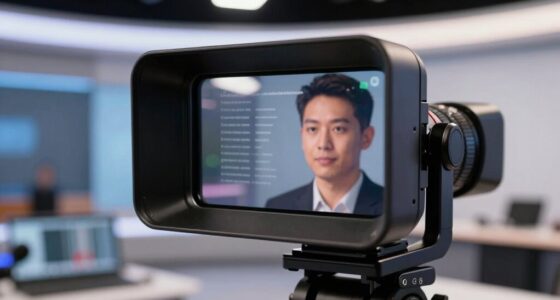
The Washington Post has invested approximately $80,000 in new audio and video equipment for its ‘Make It Make Sense’ podcast, featuring the editorial board, but early indicators suggest the show is not attracting significant viewers or listeners.
Sources from the media newsletter Status report that the Washington Post recently upgraded its podcasting setup, including remodeling a studio and purchasing high-end audio-visual gear. This initiative, driven by opinion editor Adam O’Neal and supported by owner Jeff Bezos, appears aimed at boosting the outlet’s influence in digital media, especially within its opinion section. Despite these investments, available data and anecdotal evidence indicate that the podcast and related videos are not garnering large audiences. The promotional trailer titled ‘A News Show You Can Trust, Finally’ was poorly received, and the actual content released so far has seen minimal engagement, with many videos and episodes attracting only a handful of views or listens.
Why It Matters
This development highlights the challenge traditional media outlets face when trying to expand their digital presence through video and audio content. Despite substantial financial investment, the limited audience engagement suggests that such efforts may not translate into increased influence or revenue. It also raises questions about the strategic priorities of the Washington Post’s opinion section amid broader shifts in media consumption and partisan alignment, especially as the outlet appears to be moving rightward under Bezos’s ownership.
As an affiliate, we earn on qualifying purchases.
Background
Since 2012, the Washington Post has experimented with various multimedia formats, but its success has been mixed. The recent push for video and audio content aligns with a broader industry trend to engage audiences on digital platforms. However, the effectiveness of these investments remains uncertain. The outlet’s focus on opinion content with a right-leaning tilt, especially under the influence of Jeff Bezos and editor Adam O’Neal, marks a shift from its traditional journalistic approach. The reported $80,000 expenditure on new podcast equipment and studio remodeling is a significant outlay, yet early metrics suggest it has not yet paid off in terms of audience growth.
“The Washington Post recently invested $80,000 on new audio and video gear for its ‘Make It Make Sense’ podcast, which features the Washington Post Editorial Board.”
— Status newsletter
“Investing heavily in multimedia without proven audience engagement can be a gamble; early signs suggest the Post’s efforts are not resonating widely.”
— Media industry analyst
As an affiliate, we earn on qualifying purchases.
What Remains Unclear
It remains unclear whether the limited viewership is due to content quality, marketing, audience preferences, or other factors. The full impact of the investment on the Post’s influence and revenue is still developing, and more comprehensive data on audience metrics is not yet available.
audio mixing console for podcasts
As an affiliate, we earn on qualifying purchases.
As an affiliate, we earn on qualifying purchases.
What’s Next
The Washington Post is expected to continue promoting its ‘Make It Make Sense’ podcast and related videos, with potential adjustments based on early engagement metrics. Monitoring audience response and internal analytics will determine if further investment or strategic shifts are planned.
As an affiliate, we earn on qualifying purchases.
Key Questions
Why did the Washington Post invest so much in podcast equipment?
The investment appears aimed at expanding their multimedia presence and appealing to digital audiences, especially within their opinion section, as part of a broader strategy supported by ownership and editorial leadership.
Is the podcast gaining a large audience?
No, early indicators and anecdotal evidence suggest the podcast and related videos have limited viewership and engagement.
Does this mean the Washington Post is failing in digital media?
Not necessarily; it indicates that their current multimedia efforts have not yet achieved significant audience traction, and further data is needed to assess overall success.
What does this say about the future of opinion content at the Post?
It suggests a shift towards multimedia and a possible rightward tilt, but the effectiveness of these changes remains uncertain as audience response continues to develop.
Flea & tick season Picks
flea and tick prevention
As an affiliate, we earn on qualifying purchases.