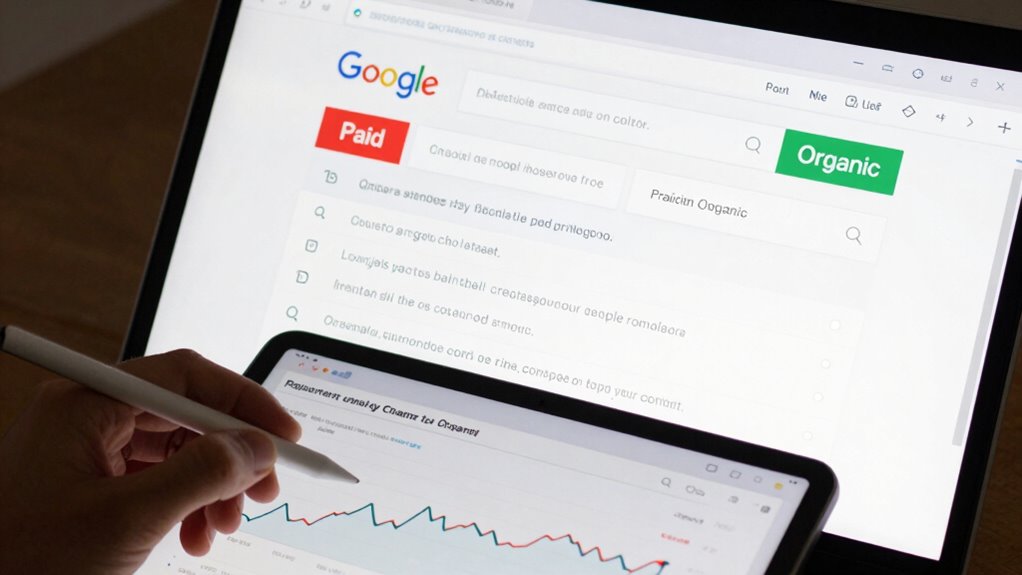

To evaluate channel cannibalization between paid and organic efforts, start by comparing your key metrics over time to spot overlaps or declines. Track changes in organic traffic when paid campaigns increase, and use attribution models to see how customers interact across channels. Segment your audience to identify if certain groups rely solely on paid ads or organic results. Monitoring these patterns helps you optimize your channel mix, and exploring further can reveal how to balance growth across both channels effectively.

Get business pricing on office and shipping supplies
- Business-only prices and quantity discounts
- Tax-exempt purchasing
- Multiple users, one account, clear invoices
Key Takeaways
- Compare changes in organic and paid traffic over time to identify simultaneous declines or increases.
- Use attribution models to track customer journeys and see if paid efforts replace or supplement organic conversions.
- Analyze customer flow between channels to determine if paid ads are attracting new customers or redirecting existing ones.
- Segment audiences to understand differing responses and identify segments where paid may be cannibalizing organic traffic.
- Monitor overall market share growth to assess if combined channel efforts expand or cannibalize your total reach.
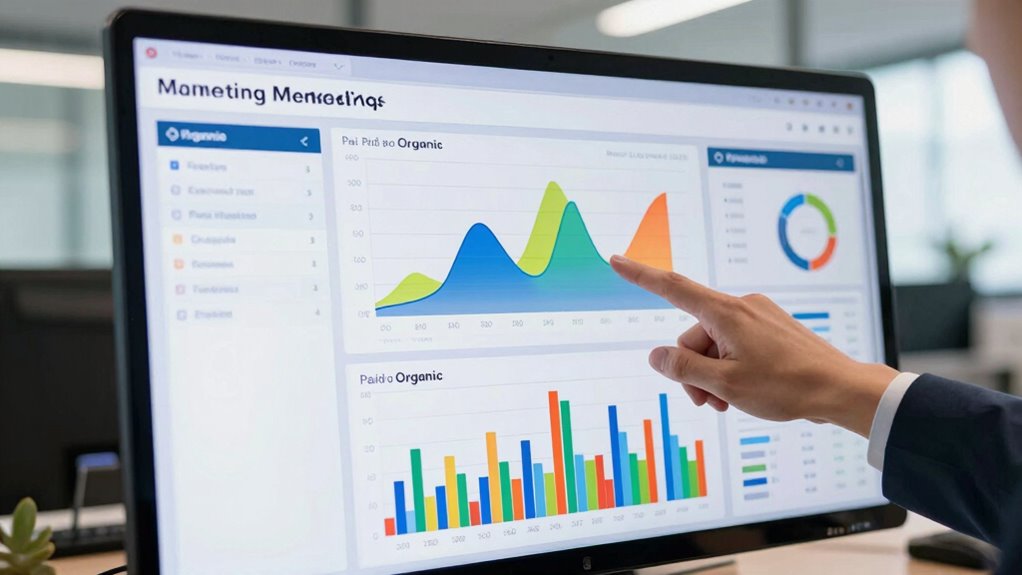
Understanding whether your new sales channel is eating into your existing ones is essential for maximizing overall revenue. When you introduce a paid or organic channel, it’s natural to wonder if it’s simply shifting customer purchases rather than expanding your reach. To evaluate this, you need to analyze how your market share shifts across channels and understand consumer behavior patterns. If your paid ads are just pulling customers from your organic traffic, your total market share might stay steady or even decline, indicating cannibalization. Conversely, if both channels grow simultaneously, you’re actually expanding your overall presence.
Monitoring consumer behavior is key in this process. You want to see if customers who initially discover your brand via paid channels are also engaging with your organic content later on, or if they’re exclusive to one channel. If the majority of paid customers are not engaging with your organic content, it could mean your paid efforts are replacing organic traffic rather than supplementing it. This insight helps you determine whether your paid campaigns are adding value or simply shifting your existing traffic around. Also, look for changes in your customer journey. Are new customers coming through paid channels, or are you losing organic visitors? Consumer behavior analytics can reveal whether your paid efforts are attracting new audiences or just redistributing your current ones.
Monitoring consumer engagement across channels reveals if paid efforts attract new audiences or simply shift existing traffic.
To get a clear picture, compare metrics over time. Track your market share in both paid and organic channels regularly, noting any overlaps or gaps. If you see a dip in organic traffic coinciding with a rise in paid traffic, it’s a sign of cannibalization. But if both grow together, your overall market share is expanding. Use attribution models to see how customers interact with your brand across channels. If many customers start on paid ads but later convert via organic search, it indicates complementary channels. If they only convert through one channel and avoid the other, it suggests cannibalization. Incorporating consumer journey analysis can provide deeper insights into how your audience moves between channels and influences overall growth. Additionally, tracking cross-channel impact can help you understand the ripple effects that one channel has on another.
You also need to segment your audience. Different segments might respond differently to paid and organic efforts. For some, paid ads might serve as a discovery tool, leading to organic conversions later. For others, paid channels might replace organic visits altogether. By analyzing these segments separately, you can better understand how each channel influences market share and consumer behavior. Furthermore, understanding how content marketing influences customer engagement can help you develop more effective strategies for channel integration. Additionally, understanding the consumer journey helps you identify whether your channels are working in harmony or at cross purposes.
Ultimately, you want to ensure that your paid and organic channels are working together to grow your overall market share, not just shifting customers from one to the other. Regularly reviewing these metrics gives you the insights needed to optimize your channel mix and maximize revenue without unintentionally cannibalizing your own sales.
Google Analytics attribution model tools
As an affiliate, we earn on qualifying purchases.
As an affiliate, we earn on qualifying purchases.
Frequently Asked Questions
How Do Seasonality Trends Affect Cannibalization Analysis?
Seasonality patterns substantially impact cannibalization analysis because they cause trend fluctuations that can skew your data. When you analyze performance, you need to account for these seasonal shifts to accurately measure how paid and organic channels compete. By comparing data across different periods and adjusting for seasonal influences, you can identify true cannibalization effects. This approach helps you avoid misinterpreting temporary seasonal spikes as permanent overlaps.
Can Cannibalization Impact Overall Marketing ROI?
Yes, cannibalization can impact your overall marketing ROI. When paid and organic channels target the same audience, market segmentation and customer profiling reveal overlaps that may reduce the effectiveness of both efforts. By understanding these overlaps, you can optimize your strategies to minimize cannibalization, improve resource allocation, and increase ROI. Focusing on distinct customer segments helps guarantee each channel contributes uniquely, boosting overall marketing performance.
What Tools Are Best for Tracking Channel Overlap?
You can use tools like Google Analytics combined with attribution models to track channel overlap. For example, a retailer might notice organic and paid search both drive conversions, revealing overlap. Data visualization tools like Tableau or Looker help you clearly see these patterns, making it easier to evaluate cannibalization. These tools provide insights into how different channels work together, allowing you to optimize strategies and improve overall ROI.
How Quickly Can Cannibalization Effects Be Identified?
You can typically identify cannibalization effects within a few weeks to a month, depending on your data volume. Monitoring customer behavior and analyzing trends regularly helps you catch shifts early. Data modeling plays a vital role, as it can attribute changes accurately between paid and organic channels. By staying vigilant and reviewing your data frequently, you can quickly spot signs of cannibalization and adjust your strategies accordingly.
Should Budget Adjustments Be Made Based on Cannibalization Insights?
Yes, you should make budget adjustments based on cannibalization insights. By analyzing how paid and organic channels compete, you can optimize your budget to maximize revenue and reduce leakage. If paid channels are cannibalizing organic traffic without boosting overall sales, reallocating funds might improve your ROI. Regularly refining your strategy guarantees you address revenue leakage effectively, maintaining a balanced, cost-efficient marketing mix that drives sustained growth.
SEO organic traffic analysis software
As an affiliate, we earn on qualifying purchases.
As an affiliate, we earn on qualifying purchases.
Conclusion
Think of your channels like a bustling marketplace, each stall vying for the same customers. When one stall suddenly draws away shoppers from another, it’s like a game of tug-of-war—only now, you need to balance the pull. By carefully monitoring and adjusting your efforts, you guarantee each stall shines without overshadowing the other. With this mindful approach, your marketplace becomes a thriving hub where every vendor, paid or organic, attracts its own loyal crowd.
Paid advertising campaign tracking tools
As an affiliate, we earn on qualifying purchases.
As an affiliate, we earn on qualifying purchases.
Customer journey analytics software
As an affiliate, we earn on qualifying purchases.
As an affiliate, we earn on qualifying purchases.
Halloween Picks
halloween
As an affiliate, we earn on qualifying purchases.