
To improve paid media efficiency without cutting volume, focus on refining your audience segments based on demographics and behaviors to target more relevant users. Test different ad creatives and formats to boost engagement, and leverage data insights to identify top-performing segments and optimize your approach. Automate bidding and creative adjustments to save time while maintaining precision. Regularly monitor performance and make incremental adjustments to guarantee your campaigns stay effective—continuing with these strategies can reveal even greater results.

Get business pricing on office and shipping supplies
- Business-only prices and quantity discounts
- Tax-exempt purchasing
- Multiple users, one account, clear invoices
Key Takeaways
- Segment audiences precisely to deliver highly relevant messages, boosting engagement without reducing overall reach.
- Optimize creatives through A/B testing and personalization to increase relevance and conversion rates.
- Use data insights to identify high-performing segments and reallocate budget accordingly for better ROI.
- Automate bidding and creative optimization to enhance efficiency and serve the right ads at optimal times.
- Continuously monitor campaign performance and make iterative adjustments to maintain effectiveness over time.
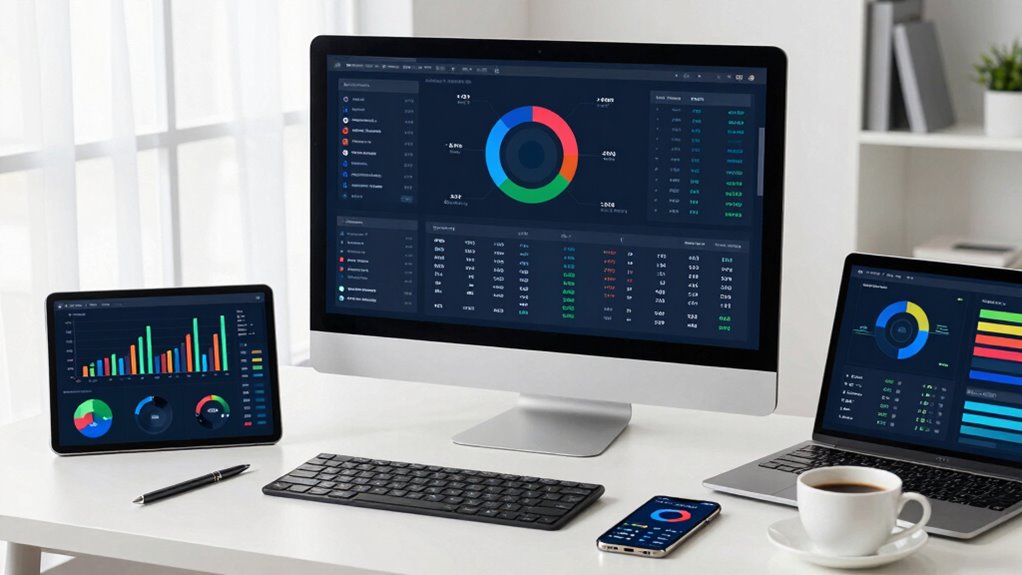
If you want to boost your paid media efficiency without sacrificing volume, the key is optimizing your existing campaigns rather than cutting spend. One of the most effective ways to do this is by refining your audience segmentation. Instead of broadening your targeting or reducing your budget, take a closer look at who’s engaging with your ads. Break down your audience into smaller, more specific segments based on demographics, interests, behaviors, and purchasing patterns. When you understand your audience better, you can craft more relevant messages and deliver them to the right people at the right time. This targeted approach increases engagement rates and conversions, making each dollar work harder for you without reducing overall volume.
Alongside audience segmentation, creative optimization plays a pivotal role in improving your campaign performance. Rather than sticking with the same ad creatives that might have underperformed or become stale, test different formats, messaging, visuals, and calls to action. Small tweaks—like changing headlines, adjusting images, or experimenting with video versus static ads—can markedly impact engagement. When you optimize your creatives, you’re enhancing their relevance and appeal to each specific audience segment. This personalization increases click-through rates and conversion efficiency, ensuring your ads resonate more deeply and generate better results without needing to increase spend. Incorporating audience insights can help further refine this process by providing deeper understanding of what drives engagement and conversions. Utilizing content performance data can also inform your creative adjustments and improve targeting accuracy. Leveraging data and analytics allows you to identify which segments and creatives deliver the best results, enabling smarter budget allocation. Recognizing the importance of hormesis — where small, controlled exposures can lead to greater resilience—can inspire innovative testing methods that optimize your campaign strategies. Additionally, understanding how algorithmic learning adapts over time can help you better harness automation tools and improve targeting precision.
You should also leverage data and analytics to identify which segments and creatives deliver the best results. Use platform insights to see how different audience groups respond to various ad versions. This data-driven approach allows you to allocate your budget more effectively, focusing on high-performing segments and creatives. You don’t have to cut overall spend; instead, you reallocate your existing budget toward strategies that produce the highest return on investment. By continuously monitoring performance and making iterative adjustments, you keep your campaigns fine-tuned and efficient. This ongoing process is essential for maintaining optimal performance and ensuring your campaigns adapt to changing audience behaviors and market conditions.
Finally, consider automation tools and audience testing to streamline this process. Automated bidding strategies and dynamic creative optimization can help you serve the most relevant ads to the right audiences at the right times. These technologies reduce manual oversight while maximizing campaign effectiveness. Remember, the goal isn’t to spend less but to spend smarter—getting more value from your current budget by making your campaigns more precise and engaging. With focused audience segmentation and ongoing creative optimization, you’ll improve your paid media efficiency without sacrificing the volume of your campaigns.
audience segmentation tools for paid media
As an affiliate, we earn on qualifying purchases.
As an affiliate, we earn on qualifying purchases.
Frequently Asked Questions
What Metrics Best Indicate Paid Media Efficiency?
You should track metrics like ROI, CPA, and conversion rate to gauge paid media efficiency. These indicators show how well your budget allocation translates into results. Conduct regular competitor analysis to identify opportunities for optimization and guarantee you’re not overspending or underperforming. By monitoring these metrics, you can fine-tune your campaigns, improve performance, and get the most value without sacrificing volume.
How Can Audience Targeting Improve Ad Performance?
Think of your audience targeting like a skilled archer honing in on a target; precise focus makes the shot more effective. Audience segmentation and demographic targeting help you refine your ad reach, ensuring your message hits the right people. By understanding who your ideal customers are, you improve ad relevance, increase engagement, and boost performance—all without wasting budget on uninterested audiences. This targeted approach sharpens your campaign’s overall effectiveness.
What Tools Assist in Optimizing Paid Media Campaigns?
You can optimize paid media campaigns with tools like Google Ads and Facebook Ads Manager, which support audience segmentation and creative testing. These platforms let you refine your target audiences and experiment with different ad creatives to see what resonates best. By regularly analyzing performance metrics and adjusting based on insights, you guarantee your campaigns are efficient, reaching the right people with the most compelling messages, all without sacrificing volume.
How Does Ad Creative Impact Efficiency?
Imagine a medieval scribe refining a manuscript—your ad creative shapes your brand’s story. The impact is huge; compelling visuals and messaging boost engagement and efficiency. Creative testing helps identify what resonates, while maintaining brand consistency guarantees recognition. When your ads are clear, relevant, and aligned with your brand, you’ll see higher click-through rates and better ROI, making every dollar work harder without sacrificing volume.
What Is the Role of Bid Strategies in Efficiency?
Bid strategies play a vital role in efficiency by enabling you to optimize bids through bid optimization techniques. They help you allocate your budget more effectively, making certain you’re not overspending on low-performing ads. By aligning your bid strategies with your overall campaign goals, you maximize ROI and maintain volume. Consistently adjusting and refining your bid strategies guarantees your campaigns stay efficient and aligned with your desired outcomes.
As an affiliate, we earn on qualifying purchases.
Conclusion
By fine-tuning targeting, optimizing ad creatives, and leveraging data insights, you can boost your paid media efficiency without sacrificing volume. Remember, a recent study shows that businesses optimizing their campaigns see up to a 20% increase in ROI, highlighting the value of strategic adjustments. Keep testing and refining your approach, and you’ll maximize results while maintaining your desired reach. Efficiency isn’t about cutting, but about doing more with what you already invest.
automated bidding software for advertising
As an affiliate, we earn on qualifying purchases.
As an affiliate, we earn on qualifying purchases.
performance analytics tools for campaigns
As an affiliate, we earn on qualifying purchases.
As an affiliate, we earn on qualifying purchases.
Halloween Picks
halloween
As an affiliate, we earn on qualifying purchases.