
TL;DR
This article explores the major AI trends expected to define the next decade, including advancements in generative AI, ethical frameworks, and industry-specific applications. These developments will impact technology, economy, and society, shaping future innovation.
Leading AI researchers and industry analysts project that by 2026, several transformative trends will shape the future of artificial intelligence, affecting technology, business, and society. These insights are detailed in the original analysis. These anticipated developments include breakthroughs in generative AI, increased focus on ethical frameworks, and widespread adoption across various sectors. Understanding these trends is crucial for businesses, policymakers, and consumers preparing for an AI-driven future. For more insights, check out the comprehensive report.

Get business pricing on office and shipping supplies
- Business-only prices and quantity discounts
- Tax-exempt purchasing
- Multiple users, one account, clear invoices
Experts such as Thorsten Meyer and industry reports highlight that by 2026, generative AI models will become more sophisticated, enabling more natural interactions and creative outputs. For a deeper dive, see this detailed coverage. These models will be integrated into everyday tools, from content creation to customer service, with improved accuracy and contextual understanding.
Simultaneously, there will be a significant push toward establishing comprehensive ethical standards and regulatory frameworks to address AI’s societal impact. Governments, international bodies, and private organizations are expected to collaborate on policies that promote responsible AI development, emphasizing transparency, fairness, and accountability.
Industry-specific applications will expand, with sectors like healthcare, automotive, and finance leveraging AI for predictive analytics, automation, and personalized services. This widespread adoption will drive economic growth but also raise questions about job displacement and data security, which remain areas of ongoing debate and regulation.
The 10 picks
- 1
 Elgato 4K S Capture Card for PS5, Xbox Series X/S, Switch 2View on Amazon →
- 2
 AVerMedia Capture Card for Streaming, 4K60 HDR Passthrough, 1080p60 Video Rec…View on Amazon →
- 3
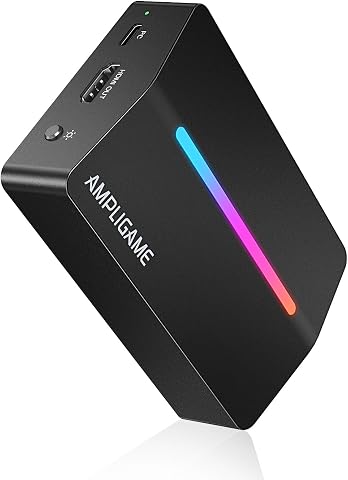 Fifine AmpliGame Video Capture Card, HD 1080p 60fps, 4K HDMI to USB, Compatib…View on Amazon →
- 4
 4K HDMI Video Capture Card for Streaming and RecordingView on Amazon →
- 5
 4K HDMI Video Capture Card, 1080P 60FPS Game Capture Device with HDMI Loop-Ou…View on Amazon →
- 6
 XIIXMASK USB 3.0 HDMI Capture Card, 1080P 60FPS Capture, 4K Pass-ThroughView on Amazon →
- 7
 Acer USB 3.0 HDMI Capture Card, 4K HDMI Loop-Out, 1080P 60Hz for StreamingView on Amazon →
- 8
 4K HDMI Capture Card for Streaming, Full HD 1080P 60FPS USB 3.0 Cam Link Game…View on Amazon →
- 9
 Guermok Video Capture Card, 4K USB3.0 HDMI to USB C, 1080P 60FPS & 2K 30FPSView on Amazon →
- 10
 Audio Express AXHDCAP 4K HDMI Video Capture CardView on Amazon →
Implications of 2026 AI Trends for Society and Industry
The projected AI trends for 2026 will have profound impacts on multiple facets of daily life and global economies. Advances in generative AI will enhance productivity and creativity, enabling new forms of content and communication. However, these innovations also pose risks related to misinformation, intellectual property, and privacy.
Furthermore, the emphasis on ethical frameworks and regulation signifies a shift toward more responsible AI deployment, aiming to mitigate biases and ensure equitable benefits. For industries, adopting these trends could lead to increased efficiency and competitive advantage, but also necessitates significant investments in infrastructure and talent.
Overall, these developments will influence policy, labor markets, and societal norms, making it essential for stakeholders to stay informed and adaptable to these rapid changes.
Popular right now

Dyson V9 Motorbar Cordless Vacuum

Ninja Air Fryer XL, 6.5 Qt, 6-in-1, MaxCrisp, Dark Grey (AF181)

Vitamix Touch & Go Advance 32-Ounce Bar Blender, White
As an affiliate, we earn on qualifying purchases.
Key Developments Leading to 2026 AI Trends
The AI landscape has evolved rapidly over the past decade, with breakthroughs in deep learning, natural language processing, and neural networks. Notable milestones include the rise of large language models like GPT-4 and the integration of AI into consumer devices and enterprise solutions. Governments and organizations have begun establishing AI ethics guidelines, though global consensus remains elusive.
Previous projections indicated that AI would become more embedded in daily life by 2025, with a focus on automation and personalization. The current trajectory suggests that by 2026, these trends will accelerate, driven by continued research, increased computational power, and societal demand for responsible AI use.
While technological progress is clear, debates about regulation, job displacement, and AI safety continue to influence policy discussions worldwide, setting the stage for the upcoming decade of AI development.
“By 2026, we expect generative AI to be seamlessly integrated into everyday tools, transforming how we create, communicate, and work.”
— Thorsten Meyer, AI researcher
Uncertainties Surrounding AI Development Through 2026
While projections for 2026 are optimistic about technological progress, several uncertainties remain. The pace of breakthroughs in AI models, especially in areas like general intelligence and reasoning, is difficult to predict. Regulatory frameworks are still evolving, and international consensus on AI ethics and safety measures is not yet established, potentially impacting deployment speed and scope.
Additionally, societal and economic impacts, such as job displacement and data privacy concerns, could influence policy decisions and technological adoption rates, creating unpredictable outcomes for the AI landscape in the coming years.
Next Steps for Stakeholders in AI’s Future
Moving forward, researchers and companies will focus on refining AI models, emphasizing robustness, safety, and ethical considerations. Policymakers are expected to accelerate efforts to develop international standards and regulations, aiming for balanced innovation and risk mitigation.
Investments in AI infrastructure, talent development, and public awareness campaigns will likely increase, preparing society for the widespread integration of AI technologies. Monitoring these developments will be essential for understanding how the predicted trends unfold and influence various sectors.
Key Questions
What are the most significant AI trends expected by 2026?
Major trends include advancements in generative AI, increased focus on ethical standards and regulation, and widespread industry-specific applications across sectors such as healthcare, automotive, and finance.
How might AI impact jobs and the economy by 2026?
AI is expected to boost productivity and create new opportunities, but also pose challenges related to job displacement in certain sectors. Policymakers and businesses will need to address these issues proactively.
What role will regulation play in AI development over the next decade?
Regulation will become increasingly important, with efforts to establish global standards for transparency, fairness, and safety, aimed at ensuring responsible AI deployment while fostering innovation.
Are there risks associated with rapid AI advancements?
Yes, risks include misinformation, privacy breaches, biases in AI systems, and potential misuse. Ongoing research and regulation are critical to managing these risks effectively.
Source: ThorstenMeyerAI.com