
TL;DR

Get business pricing on office and shipping supplies
- Business-only prices and quantity discounts
- Tax-exempt purchasing
- Multiple users, one account, clear invoices
The Federal Trade Commission has reached a settlement with John Deere, granting owners the legal right to repair their equipment. This development addresses longstanding restrictions and impacts farmers and equipment users nationwide.
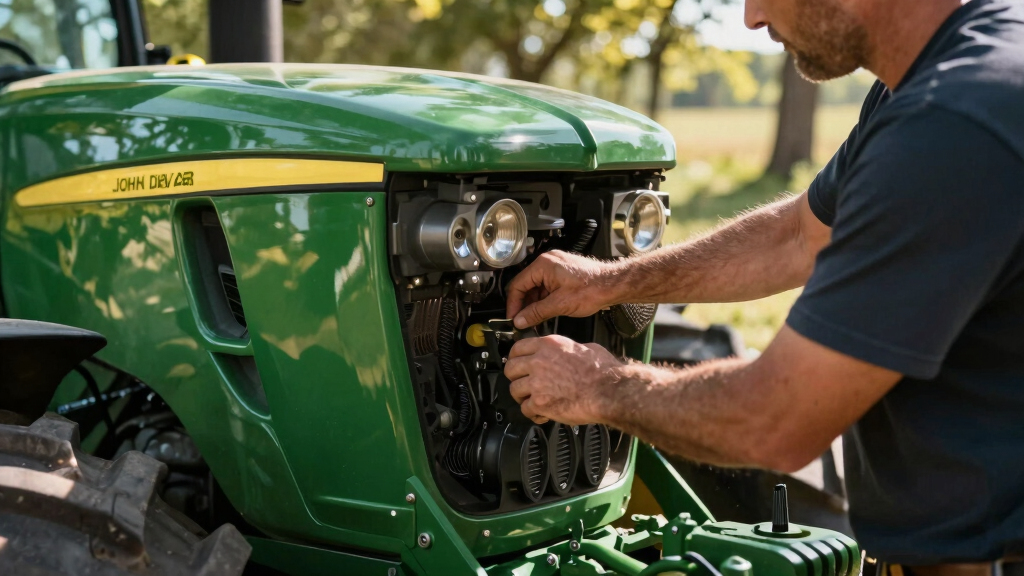
The Federal Trade Commission (FTC) has reached a settlement with John Deere that requires the company to grant owners and independent repair shops the right to repair their equipment. This agreement marks a significant shift in the company’s repair policies, which previously limited access to repair information and parts. The settlement aims to address concerns about monopolistic repair practices and restore consumer rights, impacting thousands of farmers and equipment users across the United States.
The settlement, announced on March 2024, compels John Deere to provide access to diagnostic tools, repair manuals, and parts to owners and independent repair providers. This move responds to longstanding complaints from farmers and third-party repair shops who argued that Deere’s restrictions hindered timely repairs and increased costs. The FTC’s action follows a series of investigations into the company’s repair practices, which critics say violate antitrust laws by limiting competition.
John Deere has agreed to modify its policies, allowing owners to repair their equipment without mandatory use of authorized service centers. The company also committed to making repair information more accessible through a dedicated online portal. While the settlement does not specify penalties, it sets a legal precedent that could influence other equipment manufacturers’ repair policies.
Legal and Consumer Rights Impact of the Settlement
This settlement is a landmark victory for right-to-repair advocates and farmers who rely on John Deere equipment. It challenges the company’s previous restrictions, which critics argued created a monopoly over repairs, leading to higher costs and delays. The decision could lead to increased competition among repair providers and reduce reliance on authorized dealerships, potentially lowering repair costs for consumers. It also signals a broader shift in regulatory attitudes toward corporate repair restrictions in the agricultural and machinery sectors.
Popular right now

De'Longhi Magnifica Evo Fully Automatic Espresso Machine with Manual Milk Frother

Samsung 42-Inch Class OLED S90F 4K Smart TV (2025)

De'Longhi Rivelia Fully Automatic Espresso Machine with Milk Frother, White
As an affiliate, we earn on qualifying purchases.
Background on Deere’s Repair Policies and FTC Investigation
For years, John Deere has been criticized for restricting access to repair information, citing proprietary technology and security concerns. Farmers and independent repair shops have argued that these restrictions force them to use authorized service centers, often at higher costs and longer wait times. In 2022, the FTC launched an investigation into Deere’s practices amid mounting complaints and legal challenges from consumer rights groups. This led to negotiations culminating in the current settlement, which aims to balance intellectual property rights with consumer access.
“We are committed to complying with the settlement and providing our customers with the necessary tools and information for repairs.”
— John Deere spokesperson
Details of Implementation and Long-Term Effects Still Unclear
While the settlement mandates access to repair information and parts, specific implementation details—such as how quickly Deere will comply and how effectively independent shops can access proprietary tools—remain unclear. It is also uncertain whether other equipment manufacturers will follow suit or face similar regulatory actions. The long-term impact on repair costs and market competition is still developing and will depend on how Deere and other companies adapt to new policies.
Monitoring Compliance and Broader Industry Changes
Regulators and consumer groups will monitor Deere’s compliance with the settlement over the coming months. Industry observers expect increased pressure on other equipment manufacturers to open access to repair information. Farmers and independent repair shops are likely to test the new policies for practical accessibility and affordability. Legal and regulatory discussions may also continue, influencing future legislation on right-to-repair issues across sectors.
Key Questions
What specific changes will John Deere implement following the settlement?
Deere will provide access to diagnostic tools, repair manuals, and spare parts to owners and independent repair shops through an online portal, allowing repairs without mandatory use of authorized service centers.
Will this settlement affect all John Deere equipment?
The settlement primarily applies to equipment covered under the agreement, but it sets a precedent that could influence future policies across Deere’s product lines.
Could other manufacturers face similar regulations?
Yes, regulators are considering broader actions that may extend similar rights to repair across other equipment brands, especially in agriculture and machinery sectors.
When will the new repair policies be fully implemented?
Deere has indicated it will start implementing the changes within the next several months, but exact timelines may vary depending on internal adjustments and regulatory approval processes.
Does this mean farmers can repair any equipment without restrictions now?
Not entirely. The settlement grants access to repair information and parts for Deere equipment, but some restrictions may still apply depending on the specific device or repair type.
Source: hn