📊 Full opportunity report: The European Union: Rules First, Cushion Always on ThorstenMeyerAI.com — validation score, market gap, and execution plan.
TL;DR
The European Union is prioritizing regulation and social protections over ownership in its approach to AI and economic transition. Key policies include the AI Act’s high-risk classification and strengthened social safety nets. Uncertainties remain about the full impact of these measures amid economic strains.
The European Union will enforce the core provisions of its AI Act on August 2, 2026, establishing strict obligations for AI used in employment, as part of its broader strategy to regulate emerging technologies before widespread adoption. This move underscores the EU’s approach of prioritizing rules and social protections over ownership or profit-sharing, aiming to shape the future of work through comprehensive regulation and institutional safeguards.
The EU’s AI Act, enacted in 2024, designates AI systems used in employment—such as hiring, screening, and worker management—as ‘high-risk,’ requiring rigorous risk management, transparency, and human oversight. Penalties for non-compliance can reach €35 million or 7% of global turnover. Simultaneously, the EU is strengthening social safety nets, with Germany reforming its Bürgergeld welfare system to tighten support conditions, reflecting a cautious approach to income guarantees amid rising unemployment and economic shifts. The EU’s model emphasizes worker voice, job preservation through Kurzarbeit, and a strong skills system, but notably avoids ownership-based measures like citizen dividends or sovereign wealth funds, focusing instead on regulation and institutional protections. These policies are under strain, with unemployment rising and some reforms, such as Germany’s welfare tightening, drawing criticism and raising questions about the model’s resilience.Rules First, Cushion Always
Europe’s instinct is to regulate a force before it builds it. Pair the AI Act with the social market economy and you get the European bet: pull four levers hard — and barely touch the fifth.
Independent commentary, produced with AI assistance under human editorial oversight. The views are the author’s own and may change. This is analysis, not policy, economic, investment, or legal advice. The EU AI Act timeline, Germany’s Neue Grundsicherung reform, Kurzarbeit, and labor data reflect publicly reported information as of mid-2026 and may change as implementation evolves. This phase maps differing approaches and endorses none; contested reforms are presented with competing views, not a verdict. Country and program names are referenced for analysis and imply no affiliation.
Europe’s focus on strict AI regulation and social protections aims to mitigate risks associated with technological change and economic shifts. This approach could influence global standards for AI governance and labor protections, but also raises concerns about economic competitiveness and social inequality if reforms tighten too much or lag behind technological developments. The EU’s model emphasizes safeguarding workers and maintaining social stability, but its limited focus on ownership and profit-sharing may affect how gains from automation are distributed, potentially impacting long-term economic resilience and innovation.

AI Prompts for Project Risk Management: 100+ AI Prompts to Identify Risks, Build Mitigation Plans, and Strengthen Decision-Making Faster (AI Toolkit for Project Managers Book 4)
As an affiliate, we earn on qualifying purchases.
As an affiliate, we earn on qualifying purchases.
The EU’s approach is rooted in its social market economy tradition, exemplified by Germany, which combines free-market principles with strong social protections. The AI Act represents a continuation of this philosophy, aiming to regulate emerging technologies proactively. Historically, Europe has prioritized worker voice through co-determination, job preservation via Kurzarbeit, and skills development through dual vocational training. These policies have helped cushion economic shocks, such as the 2008 financial crisis and the COVID-19 pandemic. However, recent reforms, including tightening welfare support and the phased rollout of AI regulations, indicate a shift toward stricter controls and a cautious stance amid economic uncertainties and technological risks.
“The AI Act is designed to ensure that artificial intelligence systems used in the workplace are transparent, accountable, and respect fundamental rights.”
— European Commission spokesperson
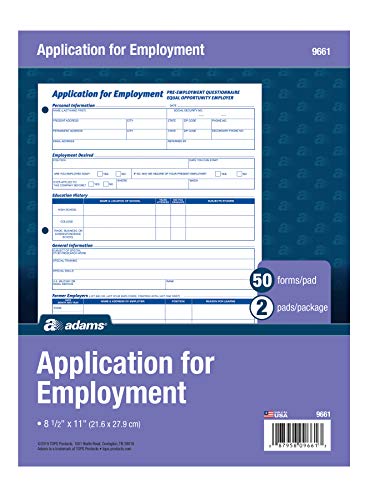
Adams Applications for Employment, 8.5 x 11 Inch, 3-Hole Punched, 50-Sheets/Pack, 2-Pack, White (9661)
Great way to capture all pertinent information for potential employees
As an affiliate, we earn on qualifying purchases.
As an affiliate, we earn on qualifying purchases.
It is still unclear how effective the AI Act’s regulations will be in practice, especially regarding enforcement and industry compliance. Additionally, the long-term impacts of welfare tightening on poverty and unemployment remain uncertain, as economic conditions continue to evolve. The extent to which these policies will preserve social stability amid technological disruption is also undetermined, with some experts questioning whether the approach will adapt sufficiently to structural economic changes.
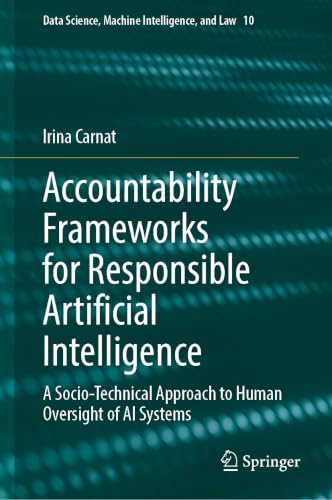
Accountability Frameworks for Responsible Artificial Intelligence: A Socio-Technical Approach to Human Oversight of AI Systems (Data Science, Machine Intelligence, and Law, 10)
As an affiliate, we earn on qualifying purchases.
As an affiliate, we earn on qualifying purchases.
In the coming months, the EU will begin enforcing the AI Act’s high-risk requirements, with oversight bodies monitoring compliance. Member states are also expected to implement reforms to welfare systems, such as Germany’s Neue Grundsicherung. Further assessments of these policies’ impacts will inform future adjustments. Internationally, the EU’s regulatory approach may influence other jurisdictions considering AI governance and social protections, while ongoing economic data will reveal how well the model withstands emerging challenges.

AI-Powered Contract Management: AI-Powered Contract Management:AI contract management, legal automation, contract lifecycle management, AI legal tech, … compliance monitoring, smart contracts.
As an affiliate, we earn on qualifying purchases.
As an affiliate, we earn on qualifying purchases.
Key Questions
What does the AI Act require for companies using AI in employment?
Companies must conduct risk management, maintain documentation, ensure transparency, and provide meaningful human oversight for high-risk AI systems. Penalties for non-compliance can be substantial, up to €35 million or 7% of global turnover.
How is the EU reforming its welfare system?
Germany is replacing its Bürgergeld with the Neue Grundsicherung, which tightens support conditions, freezes payments, and increases job-search obligations, aiming to incentivize employment but raising concerns about poverty increases.
Why does the EU avoid ownership-based measures like dividends?
The EU’s model emphasizes regulation and worker voice over ownership, focusing on rules and institutions to distribute gains rather than capital sharing, reflecting its social market economy principles.
What are the main challenges facing Europe’s approach?
Economic strains such as rising unemployment and welfare tightening pose risks to social stability. Additionally, questions remain about the effectiveness of AI regulations and whether they will keep pace with technological advances.
Source: ThorstenMeyerAI.com