

To connect search performance to sales velocity, start by analyzing search data to uncover customer intent and identify high-converting keywords. Use this insight to optimize your content and landing pages, making sure they align with what your audience is searching for. Monitor user behavior after landing on your site to spot bottlenecks and improve user experience. Continuously refine your approach based on analytics, and you’ll find faster customer progression toward purchase. Discover how to elevate your strategy further as you explore more.
Key Takeaways
- Analyze search analytics and conversion metrics to identify high-performing keywords that drive sales.
- Optimize landing pages and content based on search intent to increase engagement and conversion rates.
- Track visitor behavior post-search to understand how content influences progression through the sales funnel.
- Use data to refine keyword targeting and content strategies, aligning them with customer needs and search trends.
- Continuously review and improve the search-to-sale flow by addressing bottlenecks and enhancing user experience.

Understanding how your search performance impacts sales is essential for maximizing your marketing efforts. When you analyze how visitors interact with your website through search, you gain valuable insights into customer intent. Customer intent reveals what your audience is looking for and how close they are to making a purchase. By understanding these signals, you can tailor your marketing strategies to meet their needs more effectively. Tracking conversion metrics, such as click-through rates, bounce rates, and completed purchases, helps you measure how well your search efforts translate into actual sales. These metrics serve as direct indicators of your content’s effectiveness and reveal where you might need to optimize. Incorporating insights about search intent—which is rooted in understanding what your audience is truly seeking—can further enhance your ability to align content with customer needs.
Analyzing search interactions reveals customer intent and guides effective marketing strategies for better sales conversion.
Connecting search performance to sales involves a clear focus on how visitors move through your sales funnel. When someone searches for a product or service you offer, their intent guides their journey. If your content aligns with their needs, they are more likely to engage and convert. You need to monitor which keywords drive traffic and conversions and analyze the behavior of users after they land on your site. Are they exploring multiple pages, or do they quickly leave? This behavior offers clues about whether your content matches their search intent. If you notice high bounce rates for certain keywords, it could mean your landing pages aren’t fulfilling their expectations, reducing the chance of conversion. Additionally, understanding how search performance influences your overall sales velocity can help you prioritize your optimization efforts more effectively. Incorporating search analytics into your strategy helps you identify trends and refine your approach over time. Recognizing the importance of content relevance ensures your pages stay aligned with evolving customer needs and search trends.
To connect search performance to sales velocity, you need to optimize your content continuously. Use data from your search analytics to refine your keywords and ensure they accurately reflect customer intent. When you align your content with what your audience is seeking, you increase the likelihood that visitors will move further along your sales funnel. Focus on improving your conversion metrics by making your landing pages more persuasive and user-friendly. Clear calls-to-action, concise messaging, and fast-loading pages can significantly boost your conversion rate.
Ultimately, your goal is to see a seamless flow from search to sale. Regularly review your search data and conversion metrics to identify gaps or bottlenecks. If you notice certain keywords generate traffic but little sales, revisit your content and offers to better match customer search intent. When you consistently analyze and optimize these elements, you’ll see your sales velocity accelerate as more visitors convert at each stage of their journey. Connecting search performance to sales isn’t just about generating traffic; it’s about understanding and guiding customer intent to turn visitors into loyal buyers.

The Art of SEO: Mastering Search Engine Optimization
As an affiliate, we earn on qualifying purchases.
As an affiliate, we earn on qualifying purchases.
Frequently Asked Questions
How Do Search Keywords Influence Customer Buying Decisions?
You influence customer buying decisions through search keywords by optimizing them to match what your audience searches for. Effective keyword optimization guides customers along their journey, making it easier for them to find your products or services at the right moment. When you understand how keywords impact each stage of the customer journey, you can tailor your content and messaging, increasing engagement and boosting sales velocity.
What Metrics Best Measure Search-To-Sale Conversion Rates?
Think of metrics as your compass in a sea of data; they guide you to understanding your search-to-sale journey. You should track conversion rates, specifically how well your search efforts turn into sales, using conversion attribution models. Focus on keyword segmentation to analyze which search terms drive the most conversions. These metrics reveal the true impact of your search performance, helping you refine strategies and accelerate sales velocity effectively.
How Can Search Data Predict Future Sales Trends?
You can predict future sales trends by analyzing search data through search algorithms that identify patterns and shifts in customer behavior. Data visualization tools help you interpret these patterns quickly, highlighting emerging preferences or seasonal changes. By monitoring these insights, you can proactively adjust inventory, marketing strategies, or promotions, enabling you to stay ahead of market shifts and better forecast sales performance based on evolving search trends.
What Role Does User Intent Play in Search Performance Analysis?
User intent acts like a compass, guiding your search performance analysis. When you analyze search behavior, intent signals reveal what users truly want, helping you tailor your content and product offerings. By understanding these signals, you can optimize for relevant queries, improve engagement, and drive sales. Recognizing user intent guarantees your strategies align with customer needs, ultimately boosting your sales velocity through more targeted, effective marketing efforts.
How Often Should Search Performance Be Reviewed for Sales Insights?
You should review your search performance weekly to stay on top of trends and adjust your strategies accordingly. Regularly analyzing your search engine optimization efforts and keyword positioning helps you identify what’s working and what needs improvement. This frequent review permits you to optimize content swiftly, improve visibility, and ultimately boost sales velocity. Consistent monitoring ensures your search efforts align with sales goals, keeping your business competitive and responsive.
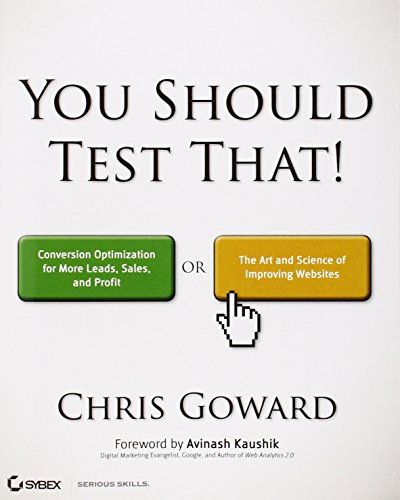
You Should Test That: Conversion Optimization for More Leads, Sales and Profit or The Art and Science of Optimized Marketing
As an affiliate, we earn on qualifying purchases.
As an affiliate, we earn on qualifying purchases.
Conclusion
By tracking search performance, you can directly influence sales velocity—imagine a 30% increase in conversions just by optimizing your search data. When you connect what customers are searching for with their buying behavior, you gain powerful insights to boost revenue. Remember, every search query is a clue to what your customers want, so use that data wisely. With the right strategy, you’ll turn search performance into your sales engine’s secret weapon.
![Express Schedule Free Employee Scheduling Software [PC/Mac Download]](https://m.media-amazon.com/images/I/41yvuCFIVfS._SL500_.jpg)
Express Schedule Free Employee Scheduling Software [PC/Mac Download]
Simple shift planning via an easy drag & drop interface
As an affiliate, we earn on qualifying purchases.
As an affiliate, we earn on qualifying purchases.

HOW TO DESIGN LANDING PAGE WITH AI: Building High-Converting Pages With Easy To Use AI-Powered Tools Without Programming Skills
As an affiliate, we earn on qualifying purchases.
As an affiliate, we earn on qualifying purchases.