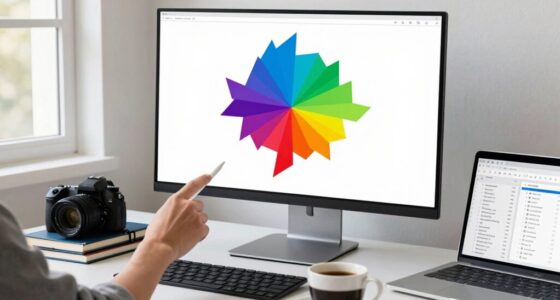
To define KPIs for content marketing success, you should focus on metrics like engagement and reach that align with your goals. Track indicators such as click-through rates, social shares, comments, and time spent on page to gauge audience interaction. Additionally, measure reach with page views, impressions, and social media reach to understand your content’s visibility. Setting clear, measurable targets and analyzing performance trends will help you refine your strategies and achieve better results as you continue exploring effective KPI practices.
Key Takeaways
- Clearly define specific, measurable goals aligned with your content marketing strategy.
- Identify relevant KPIs such as engagement metrics (likes, comments, shares) and reach indicators (impressions, unique visitors).
- Set benchmarks based on past performance or industry standards to evaluate success.
- Regularly track and analyze KPI data to identify trends and areas for improvement.
- Refine your content strategies based on KPI insights to enhance effectiveness and achieve objectives.

Measuring the success of your content marketing efforts starts with clearly defining key performance indicators (KPIs). Without specific metrics, you won’t know what’s working or where to improve. When setting KPIs, focus on what truly matters for your goals, such as audience engagement and content reach. These two indicators provide immediate insight into how well your content resonates with your audience and how far it’s spreading.
Audience engagement is a crucial KPI because it reflects how your audience interacts with your content. It’s not just about views or impressions; it’s about the quality of those interactions. Are people commenting, liking, sharing, or spending significant time on your pages? These actions show genuine interest and help you understand if your content is compelling enough to spark a response. To track engagement effectively, look at metrics like click-through rates, social shares, comments, and time spent on page. When you analyze these, you gain a clearer picture of what type of content your audience finds valuable and engaging.
Audience engagement reflects how your audience interacts with content through comments, shares, and time spent.
Content reach, on the other hand, measures how many people see your content. It’s a broader metric that indicates the size of your audience and how far your message travels across channels. Reach can be tracked through metrics such as page views, unique visitors, impressions, and social media reach. Monitoring content reach helps you understand whether your distribution strategies are effective. For example, if your reach is stagnant, it might mean you need to optimize your channels, improve SEO, or increase your promotional efforts. Additionally, understanding your target audience and their preferences can significantly enhance your content distribution strategies.
To make these KPIs meaningful, set specific, measurable targets. Instead of vague goals like “increase engagement,” aim for a percentage increase in shares or comments within a certain timeframe. Similarly, establish benchmarks for content reach based on past performance or industry standards. Regularly tracking these KPIs allows you to see trends over time, identify what types of content perform best, and refine your strategy accordingly. For example, if you notice a spike in engagement with video content, you might want to produce more videos.
content marketing KPI tracking tools
As an affiliate, we earn on qualifying purchases.
As an affiliate, we earn on qualifying purchases.
Frequently Asked Questions
How Often Should KPIS Be Reviewed and Adjusted?
You should review your KPIs at least quarterly to make certain they stay aligned with your goals. During these reviews, conduct a content audit to assess performance and gather stakeholder feedback to identify areas for improvement. Adjust your KPIs if your content strategy shifts or if data shows your current metrics no longer reflect success. Regular evaluations help keep your content marketing efforts focused and effective over time.
What Tools Are Best for Tracking Content KPIS?
You need tools that make content analytics and data visualization feel like magic! Google Analytics is a powerhouse, revealing how your content performs in real time. HubSpot offers sleek dashboards for tracking engagement and conversions effortlessly. SEMrush provides in-depth insights into content reach. Combining these tools gives you a clear, visual story of your KPIs, helping you make smarter decisions faster and turn your content strategy into a blockbuster success!
How Do KPIS Differ Across Content Types?
You’ll find that KPIs differ across content types because each aims for specific goals. For blog posts, focus on audience engagement metrics like time on page and shares, reflecting content quality. In contrast, video content might prioritize view count and retention rates. By tailoring KPIs this way, you can better measure how well your content resonates and maintains high standards, ensuring your efforts drive meaningful results across all formats.
Can KPIS Predict Long-Term Content Success?
Think of KPIs as your content’s weather forecast—helping you prepare for the future. While they can’t predict every twist, predictive analytics and content forecasting give you a glimpse into potential long-term success. By tracking trends and patterns, you can adjust your strategy early, increasing your chances of sustained impact. So yes, KPIs can guide you toward long-term success, but stay flexible—like a weather vane in changing winds.
How to Align KPIS With Overall Business Goals?
To align KPIs with your overall business goals, you need to focus on content alignment and goal integration. Start by clearly understanding your company’s strategic objectives, then select KPIs that directly measure how your content efforts support these goals. Regularly review and adjust your KPIs to guarantee they reflect evolving priorities, creating a seamless connection between your content performance and your broader business success.

A Practical Guide to Digital Marketing Analytics: Track KPIs, Build Dashboards, and Make Data-Driven Decisions in the Age of AI
As an affiliate, we earn on qualifying purchases.
As an affiliate, we earn on qualifying purchases.
Conclusion
By tracking the right KPIs, you can clearly measure your content marketing success. For example, if you notice that your blog posts are driving high engagement and conversions, you know you’re on the right track. Imagine a small business that focuses on website traffic and lead generation; by monitoring these metrics, they refine their content strategy to boost sales. Keep your KPIs aligned with your goals, and you’ll continuously improve your content’s impact.

HOW TO CREATE AND MONETIZE A MEMBERSHIP WEBSITE: Step by Step Strategies for Profitable Subscription Platforms
As an affiliate, we earn on qualifying purchases.
As an affiliate, we earn on qualifying purchases.
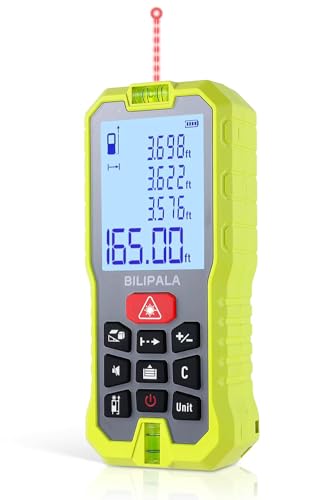
Laser Measure 229ft, Digital Laser Distance Meter with 2 Bubble Levels, 2" Backlit LCD, High Precision Laser Measuring Tool,Area Measurement,Volume and Pythagoras, Mute, Battery Included
- Dual Bubble Levels & Backlit LCD: Ensures accurate calibration and clear readings
- High Precision ±2mm: Reliable measurements up to 229ft/70m
- Multiple Measurement Modes: Includes area, volume, Pythagoras, and continuous modes
As an affiliate, we earn on qualifying purchases.
As an affiliate, we earn on qualifying purchases.